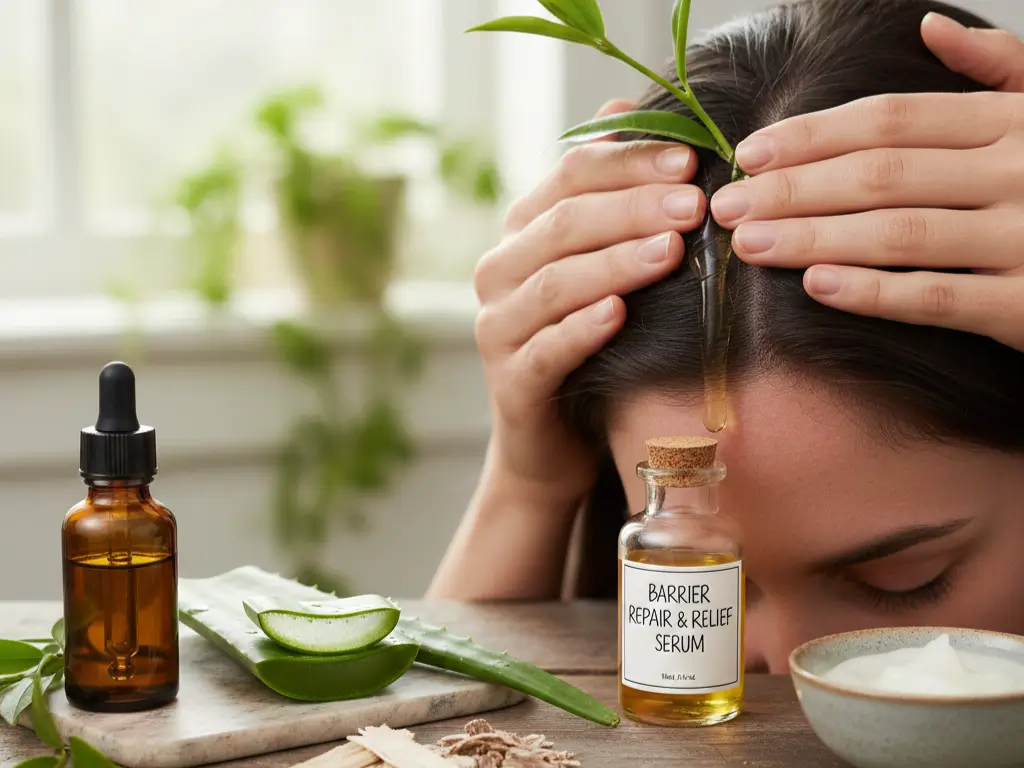
Have you ever found yourself checking your shoulders in a mirror before walking into a meeting, or resisting the urge to scratch an itch that feels bone-deep? If so, you are part of a massive demographic dealing with scalp dysregulation. While the beauty industry often markets “flake-free” shampoos as a one-size-fits-all solution, the reality occurring on your scalp is biological, not just cosmetic.
Understanding the root cause is critical because treating an autoimmune condition like psoriasis the same way you treat a fungal issue like dandruff can actually make things worse.
This article provides educational information about scalp health, dandruff, and psoriasis. It is not intended to diagnose, treat, cure, or prevent any medical condition or disease. Always consult a licensed healthcare professional or board-certified dermatologist before making any health decisions, starting new treatments, or changing existing medical regimens. Individual results and health needs vary. If you have persistent symptoms, bleeding, hair loss, or signs of infection, seek professional medical advice immediately.
This guide is for individuals looking for supportive, natural strategies to manage symptoms of mild dandruff or complement their existing treatment plan for scalp psoriasis. It is not for those experiencing severe infection, rapid hair loss, or whole-body psoriasis flares, which require immediate medical intervention.
In this investigative guide, we dig into the science of the scalp microbiome. We explore how natural ingredients can support your skin barrier without disrupting the delicate balance of your body’s ecosystem.
Researched in consultation with dermatological guidelines and clinical studies.
Understanding the Itch: Dandruff vs. Scalp Psoriasis
Dandruff (seborrheic dermatitis) is typically caused by an overgrowth of yeast feeding on scalp oils, resulting in oily, yellow flakes. Scalp psoriasis is an autoimmune disease causing rapid skin cell turnover, resulting in thick, silvery scales and dry, red patches. They require different management approaches.
Before you reach for the tea tree oil, you must identify what you are managing. According to the American Academy of Dermatology (AAD), while these conditions share symptoms like itching and flaking, their biological drivers are distinct.
The Biology of Dandruff (Seborrheic Dermatitis)
Dandruff is often a mild form of seborrheic dermatitis. It involves a yeast called Malassezia. This yeast lives on everyone’s scalp, feeding on the sebum (oil) your follicles produce. In some people, the yeast overgrows or the scalp reacts to the yeast’s byproducts, leading to inflammation and shedding.
The Biology of Scalp Psoriasis
Psoriasis is an immune-mediated disease. Your immune system mistakenly signals skin cells to grow too quickly. Instead of shedding over weeks, cells pile up in days, creating raised plaques. The National Psoriasis Foundation notes that at least 50% of people with plaque psoriasis will experience it on their scalp.
Key Differences Table
| Feature | Dandruff / Seborrheic Dermatitis | Scalp Psoriasis |
| Cause | Reaction to Malassezia yeast & excess oil | Autoimmune (immune system dysfunction) |
| Appearance | Oily, white or yellowish flakes | Dry, thick, silvery scales; red/purple plaques |
| Texture | Greasy | Powdery or crusty |
| Scope | Usually confined to scalp | Can extend beyond hairline to forehead/neck |
Note: It is possible to have both. This condition is sometimes colloquially called “sebopsoriasis.”
To understand how to balance the bacteria and fungi living on your head, read our deep dive on scalp microbiome balance.
Safety Considerations & When to Seek Help
Natural ingredients are potent and can cause contact dermatitis or allergic reactions. Always patch-test new products on your inner arm for 24 hours. Never apply oils to broken or bleeding skin. If you see signs of infection (pus, heat, spreading redness), stop immediately and see a doctor.
Before applying any DIY mask or botanical extract, consider these safety protocols:
- Patch Testing: Essential oils and botanical extracts are common allergens. Apply a small amount of diluted product to your inner arm and wait 24 hours.
- The “No-Pick” Rule: Picking at psoriasis scales can cause the “Koebner phenomenon,” where trauma to the skin causes new psoriasis patches to form.
- Essential Oil Safety: Never apply essential oils directly to the scalp. They must be diluted in a carrier oil to avoid chemical burns.
When to Seek Medical Attention:
- You experience bleeding or crusting (yellow crusts may indicate staph infection).
- Hair loss accompanies the itching.
- The condition spreads to other parts of your body.
- Joint pain accompanies the skin issues (a potential sign of psoriatic arthritis).
- Over-the-counter or natural methods fail to bring relief after two weeks.
The Microbiome Approach: Managing Dandruff Naturally
To manage dandruff naturally, focus on reducing Malassezia yeast without stripping the scalp barrier. Key ingredients include tea tree oil (antifungal), apple cider vinegar (pH balance), and aloe vera (soothing). Avoid heavy, pore-clogging oils that feed the yeast.
Since dandruff is often driven by fungal overgrowth, the natural approach involves ingredients with antifungal properties and pH regulation.
1. Tea Tree Oil (Melaleuca Alternifolia)
Research published in the Journal of the American Academy of Dermatology suggests that 5% tea tree oil shampoos can significantly reduce dandruff severity. Tea tree oil contains terpenes that help inhibit the growth of Malassezia.
- How to use: Add a few drops to your sulfate-free shampoo or mix with aloe vera gel.
- Caution: High concentrations can cause irritation.
2. Apple Cider Vinegar (ACV) Rinses
Your scalp typically has a pH of around 5.5. Fungi thrive in more alkaline environments. An ACV rinse can help restore acidity to the scalp mantle, making it harder for yeast to reproduce. Fermented ingredients like ACV also support the gut-skin axis, which is linked to overall inflammation.
3. Aloe Vera
While it doesn’t kill yeast directly, aloe is a powerful humectant and anti-inflammatory agent. It soothes the itch-scratch cycle that damages the skin barrier.
The Anti-Inflammatory Approach: Soothing Scalp Psoriasis
Scalp psoriasis requires moisture and inflammation reduction. Look for ingredients rich in omega fatty acids, salicylic acid (willow bark) to soften scales, and soothing botanicals like indigo naturalis or turmeric. Avoid harsh scrubs that can trigger flare-ups.
Managing psoriasis is less about “killing yeast” and more about calming the immune response and softening the plaques so they can shed gently.
1. White Willow Bark (Nature’s Salicylic Acid)
Salicylic acid is a “keratolytic,” meaning it softens the keratin that bonds skin cells together. This helps lift psoriasis scales without manual scrubbing. White willow bark extract is a natural source of salicin, offering a gentler alternative to synthetic options for sensitive scalps.
2. Omega-Rich Botanical Oils
Unlike dandruff, where oils can sometimes feed yeast, psoriasis plaques are incredibly dry. They benefit from oils rich in anti-inflammatory fatty acids.
- Jojoba Oil: Closely mimics human sebum and creates a breathable barrier.
- Borage or Evening Primrose Oil: High in Gamma-Linolenic Acid (GLA), which may help reduce skin inflammation.
For a breakdown of which oils suit your specific needs, consult our guide on botanical oils by hair type.
3. Turmeric and Curcumin
Studies indicate that curcumin (the active compound in turmeric) can suppress phosphorylase kinase activity, which is linked to psoriasis inflammation. While often taken as a supplement, topical turmeric masks (careful, they stain!) are used in Ayurvedic traditions. Learn more about Ayurvedic beauty principles to see how diet and topicals interact.
Lifestyle Factors: The Internal Connection
Scalp health is often a reflection of internal health. Chronic stress (high cortisol) and diet play massive roles in triggering flare-ups. Reducing sugar intake, managing stress, and identifying dietary triggers are essential for long-term management.
You cannot out-shampoo a lifestyle trigger. Both dandruff and psoriasis are exacerbated by stress and inflammation.
Stress and Cortisol
Stress triggers the release of cortisol, which can increase oil production (feeding dandruff) and trigger the inflammatory cascade (worsening psoriasis). Incorporating mindful practices can actually be a form of skincare. Read about mindful skincare to reduce stress for practical techniques.
Diet and Triggers
While no specific diet “cures” these conditions, many people find relief by reducing:
- Alcohol (a major trigger for psoriasis).
- Refined sugars (which feed yeast).
- Nightshades (tomatoes, potatoes) – some psoriasis sufferers report sensitivity.
Conversely, increasing Omega-3 fatty acids (found in flax seeds and walnuts) supports the lipid barrier from the inside out.
When Natural Isn’t Enough: Integrative Care
Integrative care combines the best of conventional medicine (for acute symptom control) with natural approaches (for maintenance and prevention). Don’t be afraid to use medicated shampoos during flares and natural oils for maintenance.
There is a misconception that you must choose between “natural” and “medical.” The most effective approach is often a hybrid one.
For example, using a dermatologist-prescribed treatment to bring a severe psoriasis flare under control, and then using clean beauty products for sensitive skin to maintain the results and extend the time between flares.
If you are dealing with redness on the face as well, ensure you understand the ingredients you are using. Check our guide on organic ingredients for rosacea, as sensitive skin conditions often overlap.
Patience and Observation
Managing dandruff and scalp psoriasis is a marathon, not a sprint. Natural ingredients like tea tree oil, willow bark, and aloe vera offer powerful, supportive benefits, but they require consistency and respect for your body’s limits.
Your Next Steps:
- Immediate: Check your current shampoo. Is it high in sulfates? Consider switching to a gentle, sulfate-free option.
- This Week: Identify your condition. Are the flakes oily (dandruff) or dry and plaque-like (psoriasis)? Choose one natural ingredient to patch test.
- When to call a pro: If you don’t see improvement after two weeks of consistent care, or if your scalp becomes painful, book an appointment with a dermatologist.
For a comprehensive library of natural wellness strategies, explore our full collection at Beauty Healing Organic.
SOURCES CITED
- Satchell, A. C., et al. (2002). Treatment of dandruff with 5% tea tree oil shampoo. Journal of the American Academy of Dermatology. PubMed. https://pubmed.ncbi.nlm.nih.gov/12451368/
- American Academy of Dermatology (AAD). (n.d.). Scalp Psoriasis: Diagnosis and treatment. https://www.aad.org/public/diseases/psoriasis/treatment/genitals/scalp-shampoo
- National Psoriasis Foundation. (n.d.). Scalp Psoriasis. https://www.psoriasis.org/scalp-psoriasis/
- Vaughn, A. R., et al. (2018). Effects of Turmeric (Curcuma longa) on Skin Health: A Systematic Review of the Clinical Evidence. Phytotherapy Research. https://www.ncbi.nlm.nih.gov/pmc/articles/PMC5816303/
- Grice, E. A., & Segre, J. A. (2011). The skin microbiome. Nature Reviews Microbiology. https://www.ncbi.nlm.nih.gov/pmc/articles/PMC3583816/