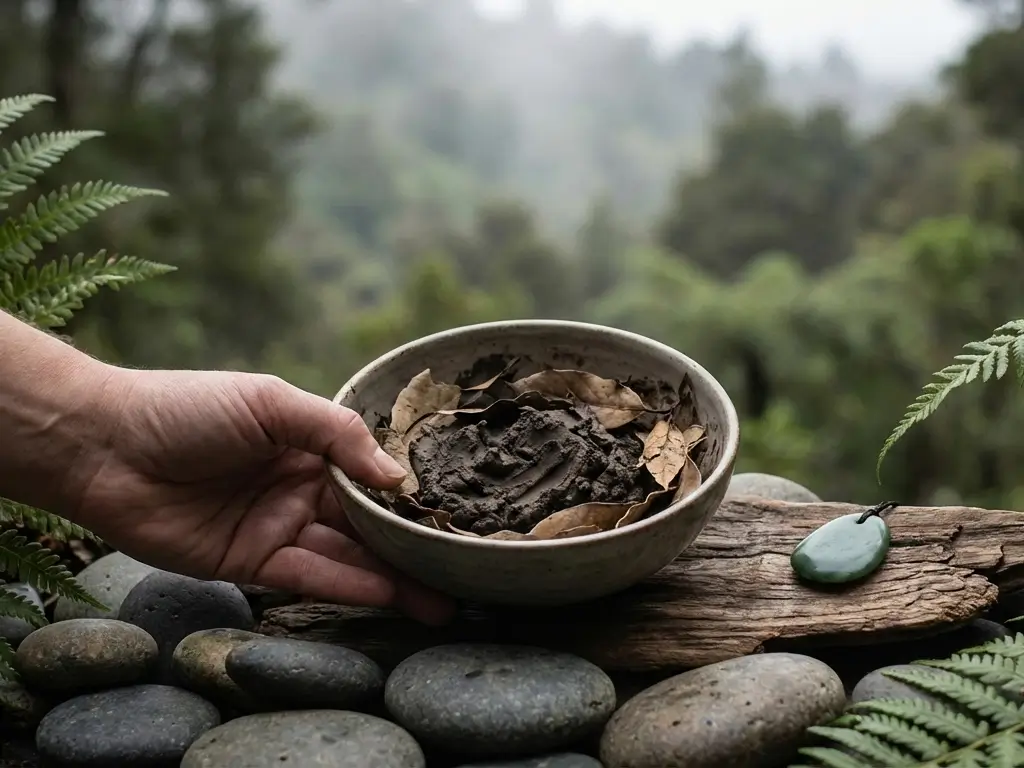
When I first encountered Rongoā, I almost made the same mistake most beauty content makes with indigenous traditions. I saw “natural New Zealand ingredients” and thought, “Oh, another exotic oil to add to my routine.”
I was completely missing the point.
Rongoā is a traditional Māori healing system that treats skin concerns as reflections of whole-body imbalance, not isolated problems to “fix” with products. It’s about restoring harmony, not chasing perfection.
Rongoā practitioners don’t ask “What’s wrong with your skin?” They ask “What’s out of balance in your life?” Your skin is speaking. The question is whether you’re listening to what it’s actually saying.
This matters right now because we’re drowning in skincare that promises transformation through more products, more steps, more actives. The Māori Rongoā tradition offers a different path, one that paradoxically might give you better results by doing less, but with more intention.
You won’t find a 12-step routine here. What you’ll discover is a philosophy that might completely shift how you think about skincare, along with practical ways to adapt it (respectfully) to your life in the US.
What Is Rongoā and Why It Matters for Modern Skincare
Rongoā is the traditional Māori healing practice from New Zealand that views skin health as inseparable from physical, emotional, and spiritual wellbeing. Rather than treating symptoms, it addresses root imbalances through native plants, water therapy, and holistic lifestyle practices.
Rongoā (pronounced “roh-ngoh-ah”) has been practiced by the Māori people for over 1,000 years. It’s not just herbalism, it’s a complete system built on the concept of mauri (life force) and the interconnectedness of all living things.
What makes this relevant to your bathroom shelf in Kansas or California?
The philosophy directly challenges something I think is making our skin worse: the Western approach of aggressive intervention. We see a breakout, we attack it. We notice fine lines, we panic-buy retinol. Rongoā asks a better question: What is your skin trying to tell you about what’s happening inside?
In my experience working with natural skincare, the people who get the best results aren’t using the most products. They’re the ones who understand their skin as a system, not a surface. That’s pure Rongoā thinking, even if they’ve never heard the term.
The three core principles that translate beautifully to modern practice:
Balance (Tūāpapa): Your skin maintains itself when your whole system is balanced. Harsh treatments that strip or over-stimulate create more problems than they solve.
Respect (Whakaute): Honor your skin’s natural processes rather than fighting them. This means gentler approaches and supporting your skin barrier instead of constantly breaching it.
Purpose (Tikanga): Every ingredient, every action has intention. No mindless 10-step routines because TikTok said so.
This is where Rongoā intersects with what we now know about the skin microbiome and barrier function. Science is confirming what Māori healers knew: aggressive disruption creates chronic problems.
The Core Philosophy: How Rongoā Differs from Western Beauty
Unlike Western skincare that targets specific concerns with isolated actives, Rongoā treats the whole person. It prioritizes gentle, consistent care that works with your body’s natural healing capacity rather than overriding it with aggressive interventions.
Let me show you what this looks like in practice.
Western approach to acne:
- Identify bacteria/oil as enemy
- Deploy strong actives (salicylic acid, benzoyl peroxide)
- Strip and dry the skin
- Add back moisture artificially
- Repeat cycle indefinitely
Rongoā-inspired approach:
- Ask why inflammation is occurring
- Look at diet, stress, elimination
- Use gentle antimicrobial plants (kawakawa, mānuka)
- Support skin’s own defense system
- Address root cause, not just symptom
Neither is wrong, but one creates dependency and the other builds resilience. I’ve seen this play out dozens of times, people who’ve been on harsh acne regimens for years finally clear up when they switch to a gentler, more holistic approach similar to Ayurvedic beauty principles.
What surprised me most about Rongoā philosophy is how it handles imperfection. In Māori worldview, complete flawlessness isn’t natural or desirable. A few breakouts before your period? That’s your body communicating normal hormonal shifts. Dry patches in winter? Environmental adaptation in action.
This doesn’t mean ignoring real problems. It means distinguishing between your skin doing its job (which might look imperfect) and actual imbalance needing attention.
The practical translation:
- Fewer products, higher quality, used consistently
- Seasonal adjustments rather than constant switching
- Mindful application as self-care ritual, not rushed task
- Acceptance of normal variation
Here’s the uncomfortable truth most beauty content avoids: You can’t fully practice Rongoā without the cultural and spiritual context. What we can do as non-Māori practitioners is learn from its principles and apply them respectfully to our own routines.
That means acknowledging we’re adapting and borrowing, not claiming we’re “doing Rongoā.” It means choosing brands that source ingredients ethically and support Māori communities. And it means being honest that buying kawakawa oil doesn’t give you access to 1,000 years of indigenous knowledge.
Key Rongoā-Inspired Ingredients You Can Actually Find
Kawakawa (anti-inflammatory), mānuka honey and oil (antimicrobial), harakeke gel (soothing), pōhutukawa (antioxidant), and kūmarahou (gentle cleansing) are the five core Rongoā botanicals with proven skincare benefits available to US consumers.
Let’s talk about what these actually do and where you can find them.
Kawakawa (Piper excelsum)
This heart-shaped leaf plant is probably the most important in Rongoā skincare. Traditionally used for wounds, rashes, and inflammation, it contains myristicin and other compounds with proven anti-inflammatory effects.
What I’ve noticed in formulations: Kawakawa works beautifully for sensitive, reactive skin. It calms without numbing, unlike some botanicals that just mask irritation. Look for it in balms and oils from New Zealand brands (many now ship to the US) or in specialty natural ingredient suppliers.
It pairs well with: Calendula, chamomile, or other gentle anti-inflammatory plants you might already use.
Mānuka (Leptospermum scoparium)
You probably know mānuka honey, the expensive one from New Zealand. But mānuka essential oil is equally powerful and less talked about.
The honey is genuinely antimicrobial (thanks to methylglyoxal) without being harsh. I use it as a gentle mask for congested skin instead of harsh clay treatments. The oil is strong, almost medicinal-smelling, and works for spot treatments on breakouts.
Be careful with claims, though. Real mānuka honey is rated by UMF (Unique Mānuka Factor). Anything below UMF 10+ is basically expensive regular honey. For therapeutic use, look for UMF 15+ or higher.
Where it fits: As an occasional overnight mask ingredient or spot treatment, not daily use.
Harakeke (New Zealand Flax)
The gel from harakeke leaves is similar to aloe vera but with higher polysaccharide content. It’s intensely soothing and hydrating.
Honestly? This is harder to find in the US. Most harakeke products are in New Zealand. Your best bet is looking for it in hydrating humectant formulations from clean beauty brands that source globally, or substituting aloe vera with similar properties for a Rongoā-inspired (not authentic) approach.
Pōhutukawa
The New Zealand Christmas tree produces flowers with serious antioxidant content. Some studies show activity comparable to vitamin C for free radical protection.
This is definitely boutique territory, you’ll find it in premium New Zealand skincare lines. Worth it if you’re building a collection of global beauty ingredients, but not essential for a Rongoā-inspired routine.
Kūmarahou
Called “gumdigger’s soap” because it naturally saponifies (creates a gentle foam), kūmarahou is traditionally used for cleansing without stripping.
I love this concept for the oil cleansing method, it represents the Rongoā principle of cleansing that respects rather than destroys your skin’s protective layer.
Finding pure kūmarahou in the US is challenging. Look for it in gentle, naturally-foaming cleansers from New Zealand brands, or embrace the principle with other gentle, low-pH cleansers.
Real talk, importing individual ingredients from New Zealand isn’t practical or affordable for most people. What I recommend is either purchasing from established brands that source ethically and share profits with Māori communities, or focusing on the Rongoā principles with locally available gentle botanicals.
The spirit of Rongoā is about connection to your local environment, anyway. Adapting it might mean using local healing plants from your region in the same respectful, balanced way. Check out resources on hyperlocal beauty and foraging for that approach.
Building Your Rongoā-Inspired Routine (Practical Steps)
Morning, gentle cleanse, hydrating mist, lightweight oil or moisturizer. Evening, oil cleanse, water therapy (warm compress), treatment (honey or botanical oil), overnight moisture. Weekly, gentle exfoliation and deeper mask. Focus on consistency over intensity.
Here’s what a Rongoā-inspired routine looks like adapted for US availability and lifestyle.
Morning Ritual (5 minutes)
- Splash cleanse with cool water – Unless you’re very oily, skip morning cleansers that strip. Rongoā emphasizes water therapy. Cool water signals balance and tones without disruption.
- Hydrating mist – Use a rosewater and glycerin mist or similar humectant spray. Apply while skin is damp. The Rongoā principle here is layering hydration gently rather than one heavy product.
- Lightweight facial oil or moisturizer – Choose based on season and skin needs. In summer, maybe just 2-3 drops of oil. Winter might need a richer cream. Check this facial oils guide for selecting the right one.
- Sun protection – Traditional Rongoā didn’t include SPF (obviously), but protecting your skin from excessive damage aligns perfectly with the respect principle. Use a mineral sunscreen or reef-safe natural option.
Evening Ritual (10 minutes)
This is where Rongoā’s intentional, meditative quality shines.
- Oil cleanse – Use a simple oil (jojoba, sunflower, sweet almond) to dissolve makeup and daily buildup. Massage for 60 seconds, this is your stress-release moment, not just cleaning.
- Warm compress – Soak a soft cloth in warm (not hot) water, wring out, and hold on your face for 30 seconds. This water therapy step opens pores gently and is deeply calming. It’s the Rongoā version of facial steaming.
- Treatment layer – This is where you’d use kawakawa oil, mānuka honey as a short mask (10 minutes), or another therapeutic botanical. If using bio-retinols or other actives, apply now, but choose ONE, not five.
- Seal with moisture – While slightly damp, apply your overnight cream or facial oil. The Rongoā principle is locking in what your skin needs, not piling on layers it doesn’t.
Weekly Practices
Gentle exfoliation – Once weekly, use a soft konjac sponge or very gentle enzyme treatment. Rongoā doesn’t include aggressive scrubbing. Your skin naturally sheds; you’re just assisting. Consider natural exfoliating acids at low percentages.
Deep mask – Mānuka honey, clay mixed with hydrating ingredients, or a botanical butter mask. 15-20 minutes of true rest while it works.
What’s notably missing:
- No harsh chemical peels
- No 10-step layering
- No daily aggressive exfoliation
- No “purging” philosophy
The Rongoā-inspired approach says if something makes your skin angry, that’s information, not something to push through.
Rongoā vs. Other Indigenous Beauty Traditions: What Makes It Unique
While Ayurveda emphasizes dosha-specific treatments and African traditions often focus on intense moisture for specific hair and skin textures, Rongoā’s distinctive feature is its emphasis on balance and minimal intervention, treating skin as a reflection of whole-body harmony rather than a separate system to be managed.
I find it helpful to understand Rongoā in context with other traditional systems, especially since this site covers several.
| Tradition | Core Philosophy | Signature Approach | Key Difference |
| Rongoā (Māori) | Balance and respect for natural processes | Minimal, gentle, holistic | Emphasis on doing LESS with more intention |
| Ayurveda | Dosha balance and constitutional types | Customized to individual constitution | More complex categorization system |
| African Traditions | Intense moisture and protection | Rich butters and oils for specific textures | Focus on protective barrier in harsh climates |
| Australian Bush | Adaptation to extreme conditions | Hardy botanicals for environmental stress | Survival-focused rather than harmony-focused |
What struck me about Rongoā compared to K-beauty innovations or J-beauty ingredients is the directional difference. Modern Asian beauty tends toward MORE (more steps, more technology, more innovation). Rongoā moves toward LESS.
It actually has more in common with the Swedish Lagom skincare philosophy, both emphasize “just enough” rather than maximum intervention.
Where Rongoā is especially valuable right now: If you’re experiencing sensitivity from over-exfoliation, screen time skin stress, or general skin fatigue from too many actives, this approach offers genuine recovery.
It’s not that the ingredients are magic. It’s that the philosophy gives your skin space to heal itself, something we rarely allow with our intervention-heavy routines.
The hardest part? Accepting that progress might be slower but more sustainable. A Rongoā-inspired approach won’t transform your skin in a week like an aggressive acid peel might. But it builds resilience that lasts, rather than creating dependency on increasingly strong treatments.
Finding Your Balance
Here’s what I’ve learned adapting Rongoā principles: You don’t need kawakawa or mānuka to embrace this philosophy. You need intention, gentleness, and willingness to listen to what your skin is telling you.
The most Rongoā thing you can do this week? Remove one step from your routine that you do out of habit or fear, not because your skin actually needs it. Notice what happens when you give your skin a little more credit for knowing how to maintain itself.
Simplify to cleanser, hydration, oil/moisturizer, and SPF. Nothing else. Notice how your skin responds to less interference.
Add one Rongoā-aligned practice, maybe it’s the warm compress ritual, maybe it’s replacing your harsh exfoliant with gentle enzymatic treatment, maybe it’s sourcing one ethical New Zealand botanical product.
Check in with the question “What is my skin telling me?” before adding new products or treatments.
Remember, Rongoā developed over centuries within a specific cultural and environmental context. We’re not practicing Rongoā, we’re learning from it respectfully and adapting principles that align with both traditional wisdom and modern skin science.
For a complete guide to building a balanced natural skincare approach, check out Beauty Healing Organic for resources on everything from ingredient combinations to proper layering techniques.
Your skin already knows how to heal. Sometimes the most powerful thing we can do is simply support that wisdom rather than override it.