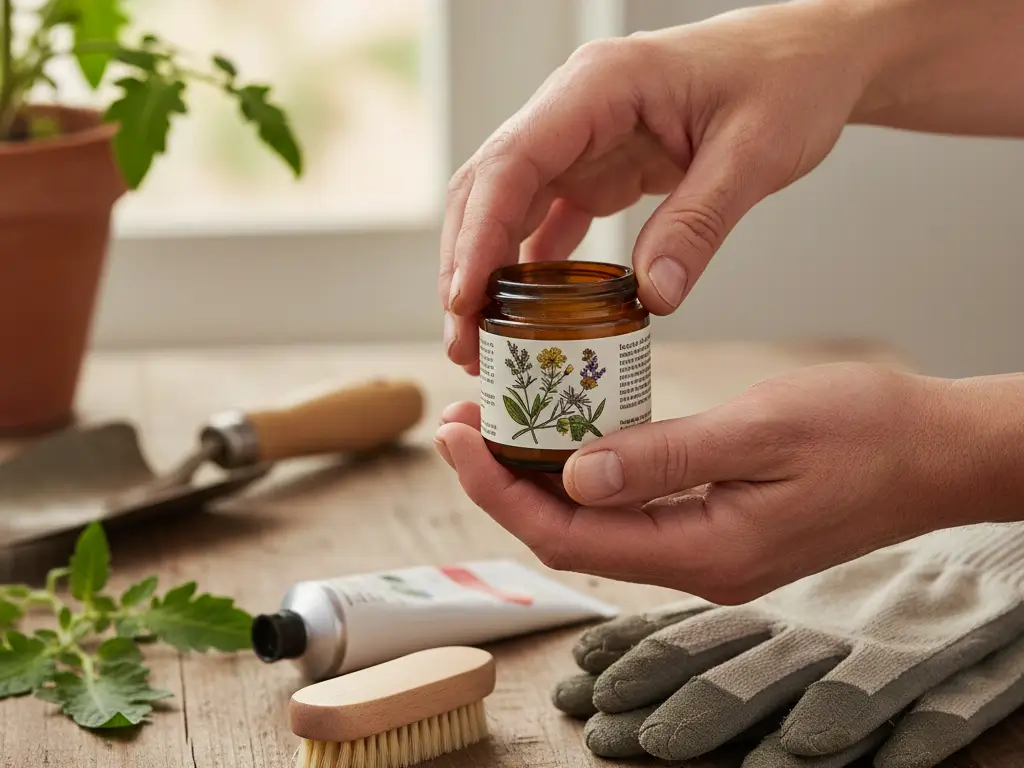
My hands tell the story of every season I’ve spent in the garden. The calluses on my palms remember thousands of trowel strokes. The faint lines of green under my nails whisper of tomato vines and basil leaves. And those tiny nicks and rough patches? Those are badges from pulling weeds without gloves, again.
Here’s what I’ve learned after years of growing vegetables and flowers: a gardener’s skincare routine isn’t about vanity. It’s about maintenance. Your hands are your most essential gardening tools. They deserve the same care you give your favorite spade.
This guide walks you through protecting your hands before you dig, repairing them after a long day in the soil, and giving them the deep overnight care they need to stay strong and supple all season long.
Whether you’re dealing with cracked cuticles, sun-weathered skin, or that stubborn soil staining that just won’t quit, you’ll find practical solutions that actually work for hands that work hard.
Everyone’s skin responds differently to ingredients. What soothes one person’s hands might irritate another’s. When trying new products or DIY recipes, consider doing a small patch test first, especially if you have sensitive skin or known allergies.
Why Do Gardener’s Hands Need Special Care?
Gardener’s hands face a unique combination of stressors, soil contact, sun exposure, water fluctuation, and physical abrasion, that strip natural moisture and damage the skin barrier faster than typical daily activities.
Think about everything your hands touch during a single afternoon in the garden. Dry soil that wicks moisture from your skin. Water from the hose that disrupts your skin’s natural pH. Thorny stems and rough-edged leaves. Fertilizers and amendments that may contain irritating compounds. And through it all, the sun beating down on skin that’s rarely covered.
I didn’t understand why my hands looked ten years older than my face until I started paying attention to this daily assault. The combination of wet-dry cycles is particularly damaging. Your hands get soaked, then bake in the sun, then get wet again. This constant moisture fluctuation weakens the skin barrier over time.
Understanding how environmental factors affect your skin helps explain why gardener’s hands need a different approach than standard hand cream before bed.
The good news? Once you understand what your hands are up against, protecting and repairing them becomes straightforward. It’s about working with your gardening rhythm, not adding complicated steps to your day.
Pre-Gardening Protection: Creating a Shield Before You Dig
Applying a barrier product before gardening creates a protective layer that blocks soil from embedding in skin, reduces moisture loss, and makes post-garden cleaning much easier.
The single best thing I ever did for my gardener’s hands happened before I picked up a single tool. I started treating protection as the first step, not an afterthought.
The Barrier Method
About ten minutes before heading outside, I apply what I call a “garden glove” layer. This is a thick, occlusive product that creates a physical shield between your skin and the elements. Good options include:
- Beeswax-based balms that resist water and soil
- Petroleum-free barrier creams designed for working hands
- Thick botanical butters like shea or mango butter
The key is choosing something that won’t absorb completely. You want it to sit on top of your skin, creating that protective film. Understanding botanical butters and their properties can help you choose the right option for your climate and skin type.
Don’t Forget the Nails
Soil loves to embed itself under nails and around cuticles. Before gardening, I run my nails across a bar of soap. This fills the undersides with soap that blocks soil from getting trapped, and makes cleaning afterward so much easier.
Sun Protection for Hands
Your hands get just as much UV exposure as your face, often more. Yet most of us never think to apply sunscreen to the backs of our hands before gardening. Using a broad-spectrum sun protection product on exposed skin prevents the sun damage that leads to age spots and premature aging.
I reapply every two hours during long garden sessions. Yes, it feels like extra work. But my hands stopped developing new sun spots once I made this a habit.
Post-Gardening Care: Cleaning and Restoring Your Hands
Proper post-garden hand care involves gentle cleaning that removes soil without stripping skin, followed by immediate hydration to replenish lost moisture and support the skin barrier.
The moment you come inside from the garden, your hands are in their most vulnerable state. The protective barrier is compromised. Moisture has evaporated. Soil particles are potentially irritating your skin. What you do in the next fifteen minutes matters more than any expensive cream you might apply later.
Gentle But Effective Cleaning
Skip the harsh antibacterial soaps. They strip what’s left of your natural oils and can cause more dryness. Instead:
- Rinse hands with lukewarm water (not hot, hot water increases moisture loss)
- Use a mild, pH-balanced soap
- For stubborn soil, a dedicated nail brush with natural bristles works wonders without scratching skin
- Pat dry instead of rubbing
For really ground-in soil stains, make a paste with sugar and olive oil. The sugar provides gentle physical exfoliation while the oil loosens pigment. This is gentler than the pumice stones or harsh scrubs some gardeners use.
The Immediate Hydration Step
Here’s where most routines fail. We clean our hands, then wander off to start dinner or check emails. By the time we think about moisturizing, the damage is done.
Apply a hydrating product within 60 seconds of drying your hands. Your skin is most receptive to moisture right after washing. I keep a pump bottle of hydrating lotion right next to my sink specifically for this purpose.
Look for products containing natural humectants like glycerin, honey, or aloe vera. These ingredients draw moisture into your skin rather than just sitting on top.
Addressing Minor Cuts and Scratches
Every gardener knows the feeling of discovering tiny cuts they didn’t notice while working. For minor nicks and scrapes, calendula-based products offer gentle support for skin comfort. Calendula has been used traditionally for soothing minor skin irritations, though individual responses may vary.
Overnight Healing: Deep Repair While You Sleep
Nighttime is when your skin naturally repairs itself, making it the ideal time to apply thicker, more occlusive products that can work deeply without interference from water or soil exposure.
Sleep is when the magic happens. Your body shifts into repair mode, and your skin works to restore itself from the day’s damage. For gardener’s hands, this window is precious.
The Overnight Treatment Method
This technique transformed my hands from rough and cracked to genuinely soft:
- Wash hands gently with lukewarm water
- Apply a hydrating serum or oil while skin is still slightly damp
- Layer a thick balm or butter on top to seal everything in
- Optional: Wear cotton gloves to bed for enhanced penetration
The layering approach works because you’re combining different types of oils and butters with distinct functions. The lighter layer hydrates. The heavier layer locks moisture in and prevents evaporation overnight.
DIY Overnight Hand Mask
For especially damaged hands, try this simple overnight treatment:
Ingredients:
- 1 tablespoon shea butter (softened)
- 1 teaspoon raw honey
- 3-4 drops of a gentle carrier oil (jojoba or sweet almond work well)
Mix thoroughly and apply a thick layer to hands before bed. Cover with cotton gloves. In the morning, your hands feel noticeably softer.
Want to explore more intensive butter-based treatments? This guide to working with shea, cocoa, and mango butters offers formulation ideas you can adapt for hand care.
Supporting the Skin Barrier
Much of what we call “damaged” gardener’s hands is actually a compromised skin barrier. When this protective outer layer breaks down, moisture escapes and irritants get in more easily.
Products containing barrier-supporting plant ingredients can help restore this essential function. Look for ceramide-mimicking oils, essential fatty acids, and soothing botanicals.
Weekly Treatments: Extra Love for Hard-Working Hands
Weekly exfoliation removes dead skin buildup that traps moisture out, while deeper treatments like hand soaks and masks address accumulated damage that daily care can’t fully address.
Daily care keeps things manageable. But weekly treatments take your hands from “surviving” to “thriving.”
Gentle Exfoliation
Dead skin builds up on gardener’s hands faster than most people realize. All that friction with tools, soil, and plant material creates layers of rough skin that need periodic removal.
Natural exfoliation methods work beautifully for hands without being too harsh:
- Sugar scrubs for gentle physical exfoliation
- Fruit enzyme masks for chemical exfoliation without scrubbing
- Oatmeal and honey paste for sensitive skin that needs extra gentleness
I exfoliate my hands once a week, usually on Sunday evenings. More than that can actually increase dryness by removing too much of the protective outer layer.
The Healing Hand Soak
Nothing feels as luxurious after a week of hard garden work as a proper hand soak. Fill a bowl with warm water and add:
- A splash of botanical bath soak blend
- A tablespoon of olive or coconut oil
- Optional: A few drops of lavender essential oil for relaxation
Soak for 10-15 minutes, then pat dry and immediately apply your thickest moisturizer. The combination of warmth, oil, and extended hydration does more for rough hands than any quick cream application.
Cuticle Care
Gardener’s cuticles take a beating. Soil dries them out. Constant hand washing strips their natural oils. And we rarely think to care for them specifically.
Once a week, massage a few drops of nourishing facial oil into your cuticles after your hand soak. Yes, facial oil, it’s often lighter and absorbs better than dedicated cuticle products.
Seasonal Adjustments: Adapting Your Routine Throughout the Year
Gardener’s hand care needs shift with the seasons, more protection in summer, more intensive repair in winter, and adjustments during the busy spring and fall planting seasons.
What works in July might not cut it in January. Your hands face different challenges as the seasons change.
Spring and Fall (Heavy Planting Seasons):
- Increase pre-gardening barrier protection
- Keep hydrating products in your garden shed for mid-session application
- Consider wearing thin cotton gloves for repetitive tasks
Summer:
- Double down on sun protection
- Use lighter moisturizers that won’t feel sticky in heat
- Address sun-damaged skin promptly after overexposure
Winter (Garden Planning Season):
- Switch to heavier, more occlusive products
- Use the overnight cotton glove treatment more frequently
- Address any accumulated damage from the growing season
For more on adapting your entire skincare approach to changing conditions, explore beautyhealingorganic.com for comprehensive guidance on working with the seasons.
Your Complete Hand Care Timeline
The most effective gardener’s skincare routine isn’t complicated. It’s consistent.
Before gardening:
- Apply barrier balm 10 minutes before starting
- Run nails across soap bar
- Apply sunscreen to backs of hands
After gardening:
- Wash gently with lukewarm water
- Moisturize within 60 seconds of drying
- Address any cuts or irritation
Before bed:
- Layer hydrating serum under thick balm
- Consider cotton gloves for intensive repair nights
Weekly:
- Gentle exfoliation (once)
- Hand soak treatment
- Cuticle oil massage
Your hands help you create beauty in the garden. They deserve some beauty in return. Start with one or two new habits this week. Notice how your hands respond. Add more as it feels natural.
The goal isn’t perfection. It’s simply giving your hardest-working tools the care that keeps them strong, healthy, and ready for another season of growing.