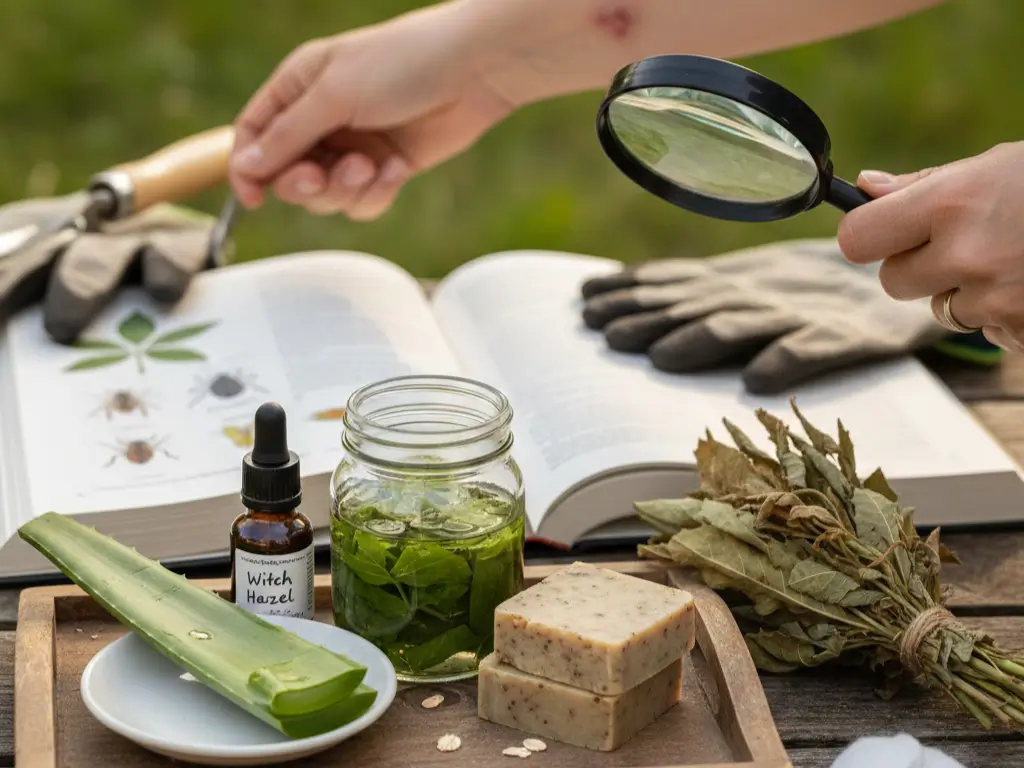
Last summer, I learned an expensive lesson. After clearing brush in my backyard, I ignored a small rash on my forearm. “It’ll go away,” I thought. Three days later, the rash had spread to my neck, and I was sitting in an urgent care clinic.
The doctor’s words stuck with me: “You had about 15 minutes after contact to wash this off. After that, the damage was done.”
That experience sent me down a research rabbit hole. What actually works for poison ivy? Which insect bite remedies have science behind them? And critically, when do you need professional help instead of a home remedy?
This article provides educational information about natural approaches to soothing poison ivy rashes and insect bites. It is not intended to diagnose, treat, cure, or prevent any medical condition. Always consult a licensed healthcare professional before trying new remedies, especially if you have allergies, sensitive skin, or existing medical conditions. If you experience severe reactions, difficulty breathing, or signs of infection, seek immediate medical attention.
This guide is for generally healthy adults dealing with mild to moderate poison ivy rashes or common insect bites (mosquitoes, ants, non-venomous spiders). It is NOT a substitute for professional treatment of severe allergic reactions, infected wounds, or bites from venomous insects like certain spiders or scorpions.
This content was researched using peer-reviewed studies and guidelines from the American Academy of Dermatology, Mayo Clinic, Cleveland Clinic, and the FDA. The author is not a medical professional.
Understanding Why Your Skin Reacts to Poison Ivy and Insect Bites
Poison ivy triggers an allergic response to urushiol oil, while insect bites cause localized histamine release. Both result in inflammation, itching, and discomfort, but understanding these mechanisms helps you choose remedies that actually address the problem.
The Poison Ivy Response
When you brush against poison ivy, poison oak, or poison sumac, you’re exposed to urushiol, an oily resin that approximately 85% of people are allergic to, according to the American Academy of Dermatology.
Your immune system treats urushiol as a threat. It launches an inflammatory response that creates the classic symptoms: redness, blisters, and intense itching. This reaction typically develops 12 to 72 hours after contact and can last two to three weeks.
Here’s the frustrating part. Urushiol is incredibly persistent. It can remain active on clothing, tools, and even pet fur for up to five years. Many people get “mystery” rashes from contaminated items months after the original plant contact.
The Insect Bite Response
Insect bites work differently. When a mosquito, ant, or other insect breaks your skin, it injects saliva containing proteins your body recognizes as foreign. Your immune system releases histamine to the area, causing swelling, redness, and that maddening itch.
Most bites resolve within a few days. However, about 3% of the population experiences more severe allergic reactions that require medical attention.
Understanding these mechanisms matters because effective remedies target inflammation and histamine response, not the insects or plants themselves. This is why botanical extracts for skin concerns focus on calming inflammation rather than “fighting” the irritant.
First Response: What to Do Immediately After Exposure
For poison ivy, wash the exposed area within 15 minutes using dish soap or specialized wash to remove urushiol. For insect stings, remove the stinger immediately by scraping (not squeezing), then apply ice.
The 15-Minute Window for Poison Ivy
This is the most important thing I learned: you have roughly 15 minutes after poison ivy contact to wash off urushiol before it binds to your skin.
The Cleveland Clinic recommends washing with lukewarm water and dish soap (or a specialized product like Tecnu or Zanfel). Regular hand soap may not cut through the oily resin effectively.
Wash everything. Your hands, arms, any exposed skin, and don’t forget under your fingernails. If you think you touched your face, wash that too.
After 15 minutes, some urushiol has already bonded to skin proteins. You can still reduce severity by washing within the first hour, but you may not prevent the rash entirely.
Immediate Insect Bite Care
For bee stings, speed matters. Remove the stinger by scraping sideways with a credit card or fingernail. Don’t squeeze or use tweezers, this can inject more venom.
For all insect bites, apply ice wrapped in cloth for 10 to 15 minutes. This reduces swelling and provides immediate itch relief.
Gardeners who spend significant time outdoors often develop a comprehensive skincare routine that includes immediate response protocols for these common irritants.
Evidence-Based Natural Remedies for Poison Ivy Rash
Colloidal oatmeal (FDA-approved), cool compresses, aloe vera, and witch hazel show the strongest evidence for soothing poison ivy symptoms. They work by reducing inflammation and providing barrier protection.
Colloidal Oatmeal: The Gold Standard
Colloidal oatmeal isn’t just folk medicine, it’s FDA-approved as a skin protectant. Ground into ultra-fine particles, it forms a protective barrier on skin while compounds called avenanthramides reduce inflammation and itching.
How to use it: Add colloidal oatmeal to a lukewarm bath and soak for 15 to 20 minutes. Alternatively, make a paste with water and apply directly to affected areas.
I’ve found oatmeal baths especially helpful for widespread rashes that are difficult to treat with targeted applications.
Cool Compresses
Sometimes the simplest approach works best. Cool (not cold) compresses constrict blood vessels and reduce inflammation. Apply for 15 to 20 minutes, several times daily.
Pro tip: Brew chamomile tea, let it cool, and use it to dampen your compress. Chamomile contains anti-inflammatory compounds that may provide additional relief.
Aloe Vera
Aloe vera gel contains compounds including acemannan that research suggests may support wound healing and reduce inflammation. For poison ivy, the cooling sensation provides immediate relief while the gel creates a protective layer.
Use pure aloe vera gel, either directly from a plant or a product without added fragrances or alcohol, which can irritate already-compromised skin. This approach aligns with plant-based ingredients that support skin barrier function.
Witch Hazel
Witch hazel contains tannins that may help reduce inflammation and provide a mild astringent effect. It’s been used for centuries for skin irritation, though scientific studies specifically on poison ivy are limited.
Apply witch hazel extract (alcohol-free versions are gentler) with a cotton ball several times daily.
Baking Soda Paste
A paste of baking soda and water can help dry out weeping blisters and provide itch relief. Mix three parts baking soda with one part water, apply to affected areas, and let dry before rinsing.
Some people add natural clays like bentonite to this paste for additional drawing action.
Calendula
Calendula has traditional use for skin healing and modern research supporting its anti-inflammatory properties. Studies suggest it may help reduce healing time for skin irritation.
Look for calendula cream or oil, or explore calendula applications for sensitive skin.
What to Avoid
- Hot water: Feels good temporarily but increases inflammation and makes itching worse
- Scratching: Can cause infection and scarring
- Rubbing alcohol: May spread urushiol before it bonds and can irritate skin after
- Bleach baths: Despite internet claims, this is not recommended and can damage skin
Effective Natural Remedies for Insect Bites
Ice, aloe vera, diluted tea tree oil, raw honey, and plantain leaf poultices show promise for reducing insect bite symptoms. Most work by reducing histamine response and inflammation.
Ice and Cold Compresses
Ice remains the first-line recommendation from the Mayo Clinic. Apply ice wrapped in cloth for 10 minutes on, 10 minutes off. Cold reduces histamine release and numbs the area.
Aloe Vera
Like with poison ivy, aloe vera soothes insect bites effectively. The cooling gel reduces inflammation and helps prevent scratching that can lead to infection.
Diluted Tea Tree Oil
Tea tree oil has documented antimicrobial and anti-inflammatory properties. However, it must be diluted, typically 2-3 drops in a tablespoon of carrier oil like coconut or jojoba.
Never apply tea tree oil directly to skin (it can cause irritation or contact dermatitis), and keep it away from eyes and mucous membranes. Understanding essential oil safety for skincare is crucial before using any concentrated plant extracts.
Raw Honey
Raw honey has natural antibacterial properties and may help prevent infection in scratched bites. Apply a small amount directly to the bite and cover with a bandage. The stickiness also discourages scratching.
Plantain Leaf (Plantago major)
This common “weed”, not the banana-like fruit, has been used for insect bites across many cultures. Crush fresh leaves and apply as a poultice. Some research supports its anti-inflammatory effects, though studies on insect bites specifically are limited.
Lavender Essential Oil
Like tea tree, lavender oil should be diluted before application. Some people find it helps with itch and may have mild antibacterial effects. Always patch test first, especially on sensitive or reactive skin.
Safety Considerations: Who Should Be Careful
Pregnant women, young children, elderly individuals, and anyone with plant allergies should exercise extra caution with natural remedies. Always patch test new products and watch for allergic reactions.
Important Safety Information:
- Patch test everything: Apply a small amount of any new remedy to inner forearm and wait 24 hours before widespread use
- Essential oils: Never use undiluted; keep away from children, pregnant women, and pets
- Children under 2: Consult a pediatrician before applying any remedy beyond plain water and ice
- Pregnancy: Many herbs and essential oils lack safety data; consult your healthcare provider
- Broken skin: Avoid essential oils and astringents on open wounds or blisters
Some natural remedies can cause allergic reactions themselves. If you have sensitivities, the Ayurvedic approach to identifying your constitution may help you choose gentler options.
If you experience any worsening after applying a remedy, stop use immediately and rinse the area with cool water.
When to See a Doctor: Signs You Need Professional Care
Seek medical attention for difficulty breathing, severe swelling, signs of infection (increasing redness, pus, fever), rash near eyes or genitals, or symptoms lasting more than three weeks.
Seek Emergency Care Immediately If You Experience:
- Difficulty breathing or swallowing
- Swelling of face, lips, tongue, or throat
- Dizziness or fainting
- Rapid heartbeat
- Widespread hives beyond the bite/rash area
These symptoms may indicate anaphylaxis, a severe allergic reaction requiring immediate medical treatment.
Schedule a Doctor Visit For:
- Rash that covers more than 25% of your body
- Blisters that become infected (increasing pain, pus, red streaks, fever)
- Rash on face, eyes, mouth, or genitals
- Symptoms that worsen after one week
- No improvement after three weeks
- Bite from an unidentified spider or scorpion
- Multiple stings (more than 10-12 at once)
Natural remedies work well for mild to moderate cases. But they have limits. Severe reactions and infections require prescription medications, trying to tough it out with home remedies can lead to serious complications.
Supporting your overall skin barrier health can help your skin recover more effectively from these irritations.
Finding What Works for You
Poison ivy and insect bites are frustrating, uncomfortable, and often unavoidable if you spend time outdoors. But understanding why your skin reacts, and having a toolkit of evidence-based remedies, makes them much more manageable.
Remember: timing matters most for poison ivy (wash within 15 minutes), while reducing inflammation matters most for bites. Not every remedy works equally for everyone, so you may need to experiment to find your best options.
- Stock your medicine cabinet with colloidal oatmeal, pure aloe vera gel, and witch hazel, your first-line defenses
- Learn to identify poison ivy, oak, and sumac in your area (preventing exposure beats treating it every time)
- Don’t hesitate to call a healthcare provider if symptoms seem severe or aren’t improving
For more guidance on natural approaches to skin health and common concerns, explore our comprehensive collection at Beauty Healing Organic.
Your skin is resilient. With the right care and knowing when to seek help, you can handle most outdoor encounters and get back to enjoying nature.
SOURCES CITED
- American Academy of Dermatology. (2023). Poison ivy, oak, and sumac. https://www.aad.org/public/everyday-care/itchy-skin/poison-ivy
- American College of Allergy, Asthma & Immunology. (2023). Insect sting allergy. https://acaai.org/allergies/allergic-conditions/insect-allergy/
- U.S. Food and Drug Administration. (2021). Skin protectant drug products for over-the-counter human use; final monograph. 21 CFR 347.
- National Institutes of Health, National Center for Complementary and Integrative Health. (2020). Aloe vera. https://www.nccih.nih.gov/health/aloe-vera
- Cleveland Clinic. (2023). Poison ivy, oak & sumac. https://my.clevelandclinic.org/health/diseases/17688-poison-ivy-oak–sumac
- Mayo Clinic. (2023). Insect bites and stings: First aid. https://www.mayoclinic.org/first-aid/first-aid-insect-bites/basics/art-20056593
- Reynertson, K.A., et al. (2015). Anti-inflammatory activities of colloidal oatmeal (Avena sativa) contribute to the effectiveness of oats in treatment of itch associated with dry, irritated skin. Journal of Drugs in Dermatology, 14(1), 43-48.
- Sánchez, M., et al. (2020). Pharmacological update properties of Aloe vera and its major active constituents. Molecules, 25(6), 1324. https://doi.org/10.3390/molecules25061324