when I first explored Amazonian beauty ingredients, I expected either miracle transformations or complete disappointment.
What I found was more nuanced. Some Amazonian oils genuinely outperform their mainstream counterparts for specific skin issues. Others are just good oils with exotic names and premium price tags. And a few have sourcing problems that should make conscious consumers pause.
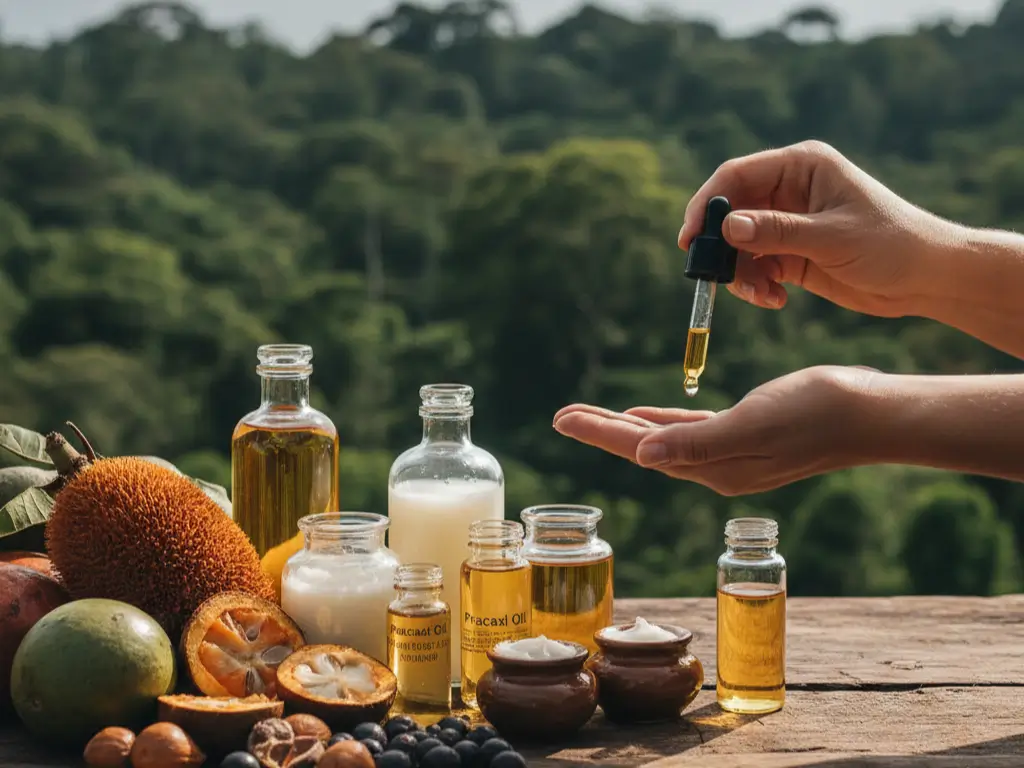
Amazonian oils and ingredients like buriti, cacay, cupuaçu butter, and pracaxi offer concentrated nutrients, particularly carotenoids, vitamin E, and essential fatty acids, that benefit sun-damaged, dehydrated, and aging skin. However, effectiveness varies widely, and sustainable sourcing remains inconsistent across brands.
Here’s what surprised me most: the best Amazonian ingredients aren’t necessarily the most talked-about ones. And sometimes, a well-formulated product with more common oils works better than an exotic single ingredient.
Why Amazonian Ingredients Are Having a Moment (And What to Watch Out For)
Amazonian ingredients offer unique phytochemical profiles adapted to intense UV exposure and humidity, making them particularly rich in antioxidants and moisture-binding compounds. However, increased demand raises sustainability concerns, and not all ingredients perform better than accessible alternatives.
The Amazon’s extreme conditions, intense sun, high humidity, seasonal flooding, force plants to develop serious protective mechanisms. When we extract oils from these plants, we get concentrated antioxidants, UV-protective compounds, and moisture-retention properties.
Buriti oil, for instance, contains the highest concentration of beta-carotene of any plant oil (up to 1,200 ppm compared to carrot seed oil’s 600 ppm). That’s not marketing fluff, it’s measurable.
But here’s what most articles won’t tell you: exotic doesn’t automatically mean better. I’ve tested Amazonian oils alongside African oils and ingredients, Mediterranean oils, and standard options like jojoba. Sometimes the Amazonian option wins. Sometimes it doesn’t.
What makes Amazonian ingredients potentially worth exploring:
- Unique compound concentrations: Some offer nutrient profiles you can’t get elsewhere
- Biomimicry benefits: Oils designed to protect against extreme UV can help protect your skin too
- Texture variety: From lightweight cacay to rich cupuaçu butter, there’s range
What nobody tells you:
The sustainability picture is complicated. Some Amazonian ingredients come from well-managed cooperatives supporting indigenous communities. Others contribute to overharvesting. Unlike certifications for organic skincare, “Amazonian” claims aren’t regulated.
I look for brands that name their supplier cooperatives and provide harvest location details. Vague “sustainably sourced from the Amazon” claims don’t cut it.
Price is another reality check. A 1-ounce bottle of pure cacay oil costs $25-40, while rosehip oil (which offers similar retinol-alternative benefits) runs $8-15. Sometimes you’re paying for rarity rather than superior performance.
What Are the Most Effective Amazonian Oils and Butters for Skincare?
The most effective Amazonian ingredients are buriti oil (for sun damage and antioxidant protection), cacay oil (for fine lines and retinol-alternative effects), cupuaçu butter (for intense hydration), and pracaxi oil (for damaged hair and barrier repair). Each offers specific advantages over common alternatives.
Let me break down the ones I’ve found actually earn their place in a skincare routine.
Buriti oil (Mauritia flexuosa)
This deep orange oil is my top pick for sun-damaged skin. That intense color comes from beta-carotene, the same antioxidant that makes carrots orange, but in much higher concentrations.
In my testing, a few drops mixed with a facial oil blend gave me noticeably more glow than the blend alone. The oil absorbs surprisingly well despite its rich feel.
Best for: Post-sun exposure, reducing UV damage appearance, adding antioxidant protection before applying mineral sunscreen
Texture: Moderately thick, slight orange tint (don’t use before a video call unless you want that just-returned-from-vacation look)
Cacay oil (Caryodendron orinocense)
This is where Amazonian ingredients genuinely compete with high-end actives. Cacay contains natural retinol (yes, actual retinol, not just pro-vitamin A) plus high levels of linoleic acid and vitamin E.
I used it as part of my bio-retinol routine and found it less irritating than traditional retinol but still effective for smoothing texture. After six weeks, I noticed improvement in fine lines around my eyes.
Best for: Retinol-alternative seekers, improving skin texture, sensitive skin that can’t tolerate synthetic retinoids
Texture: Lightweight, absorbs quickly, no greasy residue
Cupuaçu butter (Theobroma grandiflorum)
Related to cacao, this butter has a superpower: it can absorb up to 240% its weight in water (shea butter maxes out around 130%).
I use it in winter when my skin gets that tight, dehydrated feeling. A tiny amount warmed between palms and pressed into damp skin creates a moisture seal that lasts. It’s become my favorite ingredient for DIY body care recipes.
Best for: Severely dry skin, winter moisture barrier support, body butters
Texture: Rich but melts easily at body temperature, not as waxy as shea
Pracaxi oil (Pentaclethra macroloba)
This oil has high levels of behenic acid, a fatty acid that’s especially good for damaged hair and compromised skin barriers.
I’ve found it most useful as a hair treatment for dry ends, better than argan for my hair texture. For skin, it works well on areas with barrier damage (hands, elbows, anywhere that gets repeatedly wet and dried).
Best for: Hair repair, hand cream, barrier-compromised skin areas
Texture: Moderately thick, takes time to absorb
Babassu oil (Attalea speciosa)
This solid-at-room-temperature oil melts instantly on contact with skin. It’s high in lauric acid (same as coconut oil) but feels lighter.
I use it as a cleansing oil base and in summer body moisturizers. It’s nice but honestly not dramatically different from fractionated coconut oil, which costs half as much.
Best for: Oil cleansing, lightweight body moisture, natural formulations needing a coconut oil alternative
Texture: Solid, melts at 76°F, absorbs quickly
Andiroba oil (Carapa guaianensis)
Traditionally used for insect bites and inflammation, this oil has a distinctive scent (earthy, medicinal) that some people love and others hate.
I found it helpful for reducing inflammation in reactive skin patches but wouldn’t use it on my face due to the smell. It works well in body products for irritated skin.
Best for: Body application for irritated or inflamed skin, post-shave soothing
Texture: Medium weight, distinctive scent
How Do Amazonian Oils Compare to Other Botanical Oils?
Amazonian oils excel in antioxidant concentration (especially buriti) and unique fatty acid profiles (pracaxi’s behenic acid), but many mainstream oils offer similar benefits at lower cost. The decision often comes down to specific skin needs, texture preference, and whether sustainability sourcing is verifiable.
This is the honest conversation most beauty guides skip. Let’s compare directly.
| Skin Goal | Amazonian Option | Alternative Option | Winner & Why |
| Anti-aging/retinol alternative | Cacay oil | Rosehip oil | Cacay – Contains actual retinol vs. pro-vitamin A, though rosehip is excellent and 1/3 the price |
| Sun damage repair | Buriti oil | Carrot seed oil | Buriti – Higher beta-carotene concentration, more potent antioxidant effect |
| Intense hydration | Cupuaçu butter | Shea butter | Cupuaçu – Superior water absorption capacity, lighter feel |
| Barrier repair | Pracaxi oil | Sea buckthorn oil | Tie – Different mechanisms; pracaxi has behenic acid, sea buckthorn has omega-7 |
| Daily facial oil | Babassu oil | Jojoba oil | Jojoba – Similar benefits, more sustainable sourcing, better availability |
| Hair treatment | Pracaxi oil | Argan oil | Depends on hair type – Pracaxi for very damaged hair, argan for most people |
What changed my approach: I stopped thinking about Amazonian ingredients as automatically superior and started asking, “What specific problem does this solve better than alternatives?”
For sun damage and serious antioxidant needs, buriti genuinely outperforms. For a general facial oil, I’ll choose jojoba most days and save the cacay for targeted treatment.
If you’re exploring ingredients from different regions, comparing Mediterranean beauty secrets or Nordic beauty ingredients often reveals that many traditional ingredients perform similarly, they’ve just adapted to different environmental stressors.
What Are the Real Benefits of Amazonian Ingredients for Different Skin Concerns?
Amazonian ingredients work best for sun damage, dehydration, and inflammation-related concerns. They’re less effective for acne or oily skin issues, and results vary significantly based on product formulation, not just ingredient presence.
Let me break this down by actual skin concerns, not vague “anti-aging” promises.
For sun-damaged, photoaged skin
This is where Amazonian oils shine (pun intended). The combination of carotenoids in buriti and natural retinol in cacay specifically targets UV damage.
In my experience, using buriti oil 3-4 times weekly for two months noticeably reduced the ruddy, uneven tone on my cheeks from years of inconsistent sunscreen use. I used it after applying vitamin C serum and before moisturizer.
What works: Buriti oil for antioxidant repair, cacay oil for retinol-like renewal
What doesn’t: Expecting them to work without proper sun protection going forward
For severely dehydrated skin
Cupuaçu butter’s water-absorption capacity makes a real difference when your skin is beyond regular dry and into desert-cracked territory.
I layer it over humectants (hyaluronic acid or glycerin on damp skin) and it seals in moisture better than other butters I’ve tested. This technique aligns with proper skincare layering principles.
What works: Cupuaçu butter as a final occlusive layer over water-based products
What doesn’t: Using it alone on dry skin (it locks in moisture but doesn’t provide water)
For fine lines and texture
Cacay oil delivers here, but it takes consistent use. I saw results at the six-week mark, not six days.
One thing I appreciate: it didn’t cause the irritation I sometimes get from synthetic retinoids. This makes it a solid option for anyone exploring bio-retinol alternatives.
What works: Cacay oil used 4-5 nights weekly for at least 6 weeks
What doesn’t: Expecting overnight transformation or using sporadically
For barrier-compromised, reactive skin
Pracaxi and andiroba oils both support barrier repair, though I prefer pracaxi for face and andiroba for body due to scent.
These work well as part of a broader skin barrier care routine but won’t fix barrier damage caused by over-exfoliation without stopping the damaging practices.
What works: Incorporating barrier-supporting oils while reducing irritating products
What doesn’t: Using rich oils to “fix” damage while continuing aggressive exfoliation
For acne-prone or oily skin
Here’s where I don’t recommend most Amazonian oils. Babassu is the exception, its lauric acid has antimicrobial properties and it absorbs quickly.
But in general, if you’re dealing with acne, I’d point you toward lightweight botanical extracts rather than rich Amazonian oils.
What works: Babassu oil for oil-cleansing method in oily skin types
What doesn’t: Heavy oils like buriti on active breakout areas
How to Choose and Use Amazonian Beauty Products Responsibly
Look for products with named cooperative sources, fair-trade certifications, and transparent supply chains. Start with multi-ingredient formulations rather than single oils, use Amazonian ingredients for targeted concerns rather than entire routines, and research whether mainstream alternatives might work equally well for your specific needs.
After testing dozens of products claiming Amazonian ingredients, here’s my practical framework.
Sourcing questions to ask
I check brand websites for these specific details:
- Do they name the cooperative or community they source from?
- Is there third-party certification (Fair Trade, UEBT Ethical Sourcing)?
- Do they provide harvest location details beyond “the Amazon”?
- Is there information about how purchasing supports local communities?
Vague language like “sustainably harvested” without details usually means they haven’t verified their supply chain. Brands serious about ethical sourcing are specific and proud of their partnerships.
When exploring clean beauty options, I apply the same scrutiny to Amazonian ingredients as I would to any other sourcing claim.
How to start using Amazonian ingredients
Don’t overhaul your entire routine. Add one ingredient addressing your primary concern:
- Sun damage → Buriti oil (2-3 drops mixed into night moisturizer)
- Fine lines → Cacay oil (3-4 drops as serum step, 4-5 nights weekly)
- Severe dryness → Cupuaçu butter (pea-sized amount as final layer)
Use consistently for 6-8 weeks before deciding if it works. One week isn’t enough to see results from any oil.
When to choose alternatives
Sometimes the smarter choice is a non-Amazonian option:
- If you can’t verify ethical sourcing
- If a comparable alternative costs significantly less
- If you’re building a minimalist routine and don’t need specialty ingredients
- If the specific benefit doesn’t match your skin concern
I love Amazonian oils for targeted use, but my daily routine at Beauty Healing Organic relies mostly on accessible, well-sourced ingredients. The exotic options come out for specific concerns, not everyday maintenance.
Storage and shelf life
Rich oils like buriti oxidize faster than you think. I learned this the expensive way when a $35 bottle went rancid in four months.
Store in dark glass bottles, keep away from heat, and refrigerate oils you won’t use within 3-4 months. The high antioxidant content that makes them beneficial also makes them prone to oxidation.
Bottom line
Amazonian oils aren’t magic, but some genuinely excel for specific skin issues. Buriti for sun damage, cacay for retinol-alternative effects, and cupuaçu for intense moisture are the ones I’d recommend first.
Buy from transparent brands, use targeted rather than overhauling your routine, and don’t feel pressured to choose exotic when accessible works just as well. Your skin doesn’t care about Instagram-worthy ingredient stories, it cares about what actually works.
Start with one targeted ingredient, give it two months, and evaluate honestly. That’s how you figure out if Amazonian oils earn their place in your personal routine or if they’re just pretty bottles taking up shelf space.