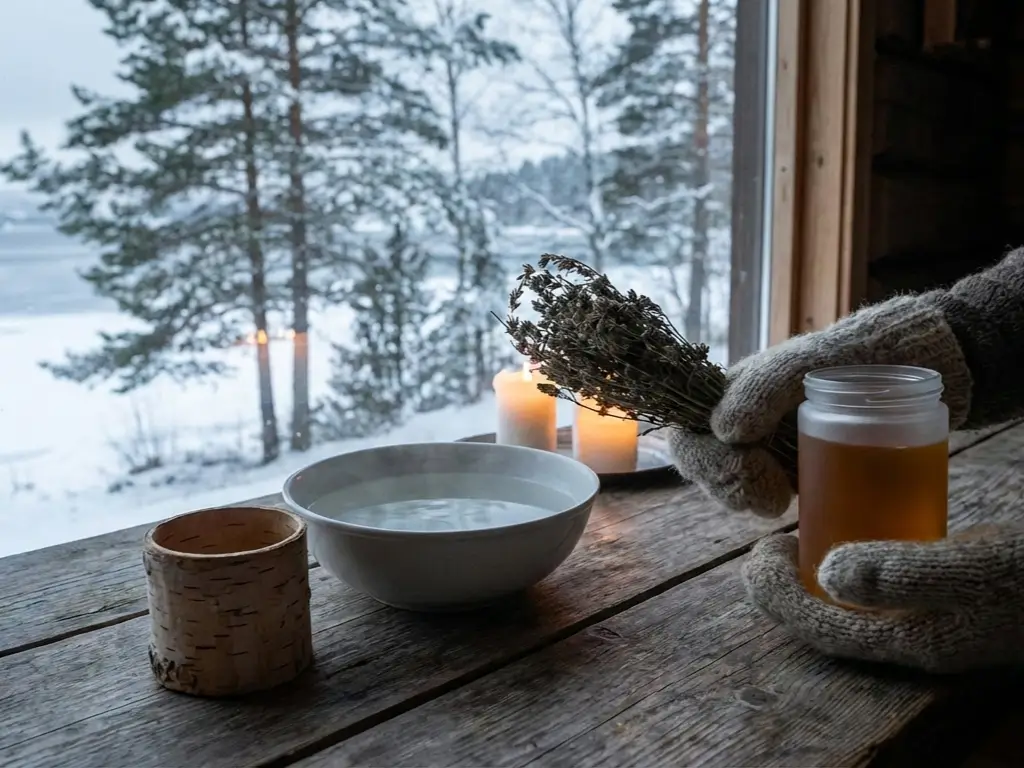
It’s not minimalist because Scandinavians prefer simplicity. It’s efficient because these ingredients had to survive six months of darkness and temperatures that would kill most plants.
Nordic beauty ingredients work because of environmental stress, not despite it. Plants growing in extreme conditions produce concentrated protective compounds, antioxidants, fatty acids, and polyphenols, that translate directly to skin benefits. But here’s the catch: how they work on your skin depends partly on where YOU live.
I’ve spent years testing Nordic formulations in different US climates, from Arizona’s dry heat to Florida’s humidity. What I’ve learned is this: the science is solid, but the “one-size-fits-all” approach most brands sell you is oversimplified. Your skin doesn’t know it’s supposed to prefer minimalism.
Why Nordic Beauty Ingredients Are Different (Climate Science Matters)
Nordic plants produce 2-3x higher concentrations of protective compounds than temperate-climate plants because they survive extreme cold, UV exposure from snow reflection, and dramatic seasonal light changes. This creates potent antioxidants and lipid-rich extracts ideal for barrier repair and inflammation.
Most beauty marketing talks about “pure” Nordic ingredients like purity equals effectiveness. That’s not the mechanism.
The real story is hormesis, biological stress that makes organisms stronger. Scandinavian plants endure brutal conditions:
- Temperature swings from -40°F winters to 70°F summers
- UV bombardment from midnight sun (24-hour daylight) and snow reflection
- Short growing seasons (90-120 days) requiring rapid nutrient storage
- Nutrient-poor soil forcing deep root systems and efficient compound production
These stressors trigger survival chemistry. Plants can’t run from cold or hide from UV. They adapt by producing concentrated protective compounds that we extract for skincare.
Compare this to tropical ingredients, which grow year-round in stable conditions. They’re not inferior, they just solve different problems. Tropical botanicals excel at hydration and soothing (hello, aloe). Nordic ingredients specialize in protection and repair.
What surprised me when testing these formulations: Nordic ingredients perform exceptionally well in harsh US climates too. Denver’s dry air and intense sun? Sea buckthorn oil is a powerhouse. Chicago winters destroying your skin barrier? Birch sap ceramides make sense. The same survival chemistry that protects plants protects your skin from similar stressors.
The science behind this connects to how our skin responds to environmental stress, which I explore in depth in my guide to weather and environment skincare adaptation. Understanding your climate is half the battle.
The 7 Essential Nordic Ingredients Worth the Hype
Birch sap (barrier repair), sea buckthorn (vitamin C + omegas), cloudberry (vitamin C + ellagic acid), lingonberry (arbutin for brightening), Nordic spruce (antioxidants), Icelandic moss (hydration + antibacterial), and rosehip seed oil (retinoid alternative).
Let me break down what each actually does, and when you’d choose it.
Birch Sap (Betula Pendula)
Harvested in early spring before leaves emerge, birch sap contains minerals, amino acids, and natural sugars that support skin barrier function. It’s not just water, it’s plant transport fluid loaded with nutrients.
The timing matters. Pre-leaf sap (March-April in Scandinavia) has different composition than summer sap. This early harvest captures concentrated minerals the tree mobilized from roots to buds.
Best for: Dehydrated skin, barrier damage, sensitivity
Works like: A mineral-rich humectant for deep hydration
Realistic expectation: Noticeable hydration within 3-5 days, barrier improvement over 2-3 weeks
Sea Buckthorn (Hippophae Rhamnoides)
This orange berry is one of the few plant sources containing all four omega fatty acids (3, 6, 7, and 9). Omega-7 (palmitoleic acid) is rare in plants but abundant in healthy skin, and it declines with age.
The oil is intensely orange (carotenoids) and has an earthy, slightly fishy smell. If yours is odorless and pale, it’s been refined to death.
Best for: Aging skin, rosacea, UV damage
Caution: Can temporarily stain light skin orange (fades in hours)
Realistic expectation: Reduced redness in 1-2 weeks, firmness improvements over 6-8 weeks
Sea buckthorn appears in many antioxidant berry skincare formulations, often combined with other Nordic fruits for synergistic effects.
Cloudberry (Rubus Chamaemorus)
Growing in Arctic bogs, cloudberries contain vitamin C (four times more than oranges) plus ellagic acid, which inhibits collagen breakdown and offers photoprotection.
What I like about cloudberry: it’s gentle vitamin C. If L-ascorbic acid serums irritate your skin, cloudberry seed oil provides antioxidant benefits without the sting.
Best for: Dull skin, hyperpigmentation, vitamin C sensitivity
Realistic expectation: Brighter tone in 2-3 weeks, improved texture over 4-6 weeks
For those exploring gentler vitamin C options, my complete vitamin C skincare guide compares plant-based sources to synthetic forms.
Lingonberry (Vaccinium Vitis-Idaea)
This tart berry contains natural arbutin, a tyrosinase inhibitor that reduces melanin production. Unlike synthetic hydroquinone (banned in some countries), plant-derived arbutin has a gentler, slower effect.
Best for: Dark spots, post-inflammatory hyperpigmentation, melasma
Realistic expectation: Visible fading over 8-12 weeks (slower than hydroquinone, but safer for long-term use)
If you’re specifically addressing hyperpigmentation, I recommend reading about safe hydroquinone alternatives to understand how lingonberry compares to other options.
Nordic Spruce Extract
Extracted from Norway spruce bark and needles, this contains piceatannol (a resveratrol relative) and polyphenols with anti-inflammatory and collagen-boosting properties.
The research is newer here, but preliminary studies show promising effects on skin firmness and elasticity. I’m watching this ingredient, it may become the next big Nordic export.
Best for: Aging skin, loss of firmness, pollution protection
Realistic expectation: Subtle improvements over 6-8 weeks
Icelandic Moss (Cetraria Islandica)
Not actually moss, it’s a lichen. This organism survives on volcanic rock in sub-zero temperatures by producing mucilage polysaccharides that retain moisture and usnic acid that prevents bacterial growth.
Best for: Dry, irritated skin; eczema-prone skin; acne (antibacterial)
Realistic expectation: Immediate soothing, reduced irritation within days
Rosehip Seed Oil (Rosa Canina/Rubiginosa)
While not exclusively Nordic, rosehips thrive in Scandinavian climates. The seed oil contains tretinoin (natural retinoic acid) plus vitamin A precursors, offering gentle retinoid-like effects.
This is one of my favorite bio-retinol alternatives because it delivers real results without the irritation of prescription retinoids.
Best for: Fine lines, scars, uneven texture
Realistic expectation: Smoother texture in 3-4 weeks, reduced fine lines over 8-12 weeks
How to Build a Nordic-Inspired Skincare Routine (Adapted for Your Climate)
Gentle oil cleanse, mineral-rich essence or mist, targeted treatment serum with Nordic actives, facial oil for barrier support, and weekly sauna or steam treatment.
The core principle of Nordic skincare isn’t using fewer products, it’s using products that multitask and support skin barrier function. Here’s how to build this for your actual environment.
Morning Routine
Step 1: Gentle Cleanse
If you have dry skin or live in a dry climate (think Denver, Phoenix, or winter anywhere), try the oil cleansing method with a blend that includes Nordic ingredients like sea buckthorn or rosehip.
For humid climates (Southeast US), you might need a lighter approach. A konjac sponge with water can be enough.
Step 2: Hydrating Essence
Birch sap essence or Icelandic moss mist provides mineral hydration. This is your humectant layer, it binds water to skin.
Step 3: Treatment Serum
Choose based on concern:
- Brightening: Cloudberry or lingonberry serum
- Anti-aging: Sea buckthorn or Nordic spruce
- Sensitivity: Icelandic moss or birch sap concentrate
Step 4: Facial Oil
2-3 drops of rosehip or sea buckthorn oil. In humid climates, you might skip this in summer. In dry climates, this is non-negotiable year-round.
Learn more about choosing oils in my facial oils by skin type guide.
Step 5: Sun Protection
Nordic skincare emphasizes this heavily (midnight sun = serious UV). Use a mineral sunscreen without white cast.
Evening Routine
Same structure, but substitute your morning treatment serum with rosehip oil (your retinoid alternative) or a more concentrated Nordic active serum.
Once weekly, add a two-ingredient mask, cloudberry powder mixed with yogurt or honey is authentically Nordic and genuinely effective.
Climate Adaptations
Dry climates (Southwest, mountain regions):
Double down on facial oils and add a richer night cream with Nordic butters. The barrier-repair focus of Nordic ingredients serves you well here.
Humid climates (Southeast, coastal regions):
Use lighter textures. Essences and serums with Nordic actives work great, but skip heavy oils in summer. Your skin still needs antioxidants; it just doesn’t need occlusion.
Cold climates (Northern states, winter everywhere):
This is where Nordic skincare shines. The same ingredients that protect plants from -40°F protect your skin from harsh wind and indoor heating. Layer everything.
Understanding how to adapt your routine to conditions is crucial, my organic skincare for different climates guide goes deeper into seasonal adjustments.
Traditional Nordic Beauty Rituals (From Sauna to Ice)
Finnish sauna followed by cold rinse (circulation + detox), ice rolling for depuffing, birch branch whisking for exfoliation and circulation, outdoor exposure for vitamin D and cold adaptation, and minimalist makeup for “natural” emphasis on skin health.
Let me separate the rituals that actually work from the ones that just photograph well.
Finnish Sauna (Löyly)
This isn’t about relaxation, it’s about controlled stress that improves circulation, opens pores for deep cleansing, and triggers heat shock proteins that support cellular repair.
The traditional practice: 10-15 minutes in dry heat (160-195°F), cold rinse or plunge, repeat 2-3 cycles, ending with cold.
What this does for skin: Increased blood flow delivers nutrients and oxygen. Sweating purges pore congestion. Temperature contrast tightens pores and boosts circulation.
At-home adaptation: Hot shower followed by progressively cooler water for the final minute. Not identical, but you get circulatory benefits. Or invest in facial steaming equipment for a targeted version.
I also recommend pairing this with an ice roller after your shower, that’s your cold plunge equivalent for your face.
Birch Branch Whisking (Vihta)
In saunas, Finns whisk their skin with fresh birch branches. This sounds medieval but it’s actually brilliant exfoliation plus aromatherapy.
What this does: Physical exfoliation, essential oil absorption from leaves, improved circulation from light percussion.
At-home adaptation: Dry brushing before your shower provides similar exfoliation and lymphatic stimulation. Use birch-infused body oil afterward to capture the aromatic element.
Cold Water Immersion
After sauna, Finns jump in lakes or snow. This triggers vasoconstriction (blood vessels tighten), which then leads to vasodilation (they expand again), improving overall circulation.
What this does for skin: Temporary tightening, reduced inflammation, improved tone over time.
At-home adaptation: Finish showers with 30-60 seconds of cold water. Start lukewarm and progressively cool it. Your face gets the most benefit, chest and limbs can follow as you adapt.
Outdoor Time (Even in Winter)
Scandinavians prioritize outdoor time regardless of weather. This isn’t masochism, it’s vitamin D, fresh air, and cold adaptation that reduces inflammatory responses.
What this does: Vitamin D supports skin barrier function. Cold exposure (gradually adapted) reduces overall inflammation. Fresh air is, well, underrated.
Practical version: 15-30 minutes outside daily, even in winter. Protect your skin with appropriate moisturizer and SPF, but get outside.
The “No-Makeup” Makeup Philosophy
This isn’t really a ritual, but it reflects the priority: healthy skin first, enhancement second. Scandinavians invest in skincare so they can skip heavy coverage.
Practical takeaway: Focus on skin health with effective ingredients and consistent routines. When your skin genuinely looks good bare, you need less makeup. That’s the real minimalism.
For a comprehensive approach to this philosophy, explore clean beauty approaches for full face routines.
Nordic vs Mediterranean Beauty: Which Approach for Your Skin Type?
Nordic beauty emphasizes barrier protection, antioxidants, and resilience (best for dry, sensitive, aging skin in harsh climates). Mediterranean beauty focuses on olive oil, grapeseed, citrus, and sun protection (best for normal to oily skin in temperate climates).
Let me give you the decision framework I use with clients.
| Factor | Nordic Approach | Mediterranean Approach |
| Climate Origin | Cold, dry, extreme UV (snow reflection) | Warm, temperate, consistent sun |
| Key Ingredients | Birch sap, sea buckthorn, cloudberry, lingonberry | Olive oil, grapeseed, rosemary, citrus |
| Primary Focus | Barrier repair, protection from extremes | Antioxidants, sun damage prevention |
| Texture Preference | Rich oils, concentrated serums | Lighter oils, water-based formulas |
| Best For Skin Types | Dry, sensitive, mature, barrier-compromised | Normal, combination, oily |
| Best For Climates | Cold, dry, extreme seasonal changes | Warm, temperate, stable conditions |
| Ritual Emphasis | Sauna/cold contrast, intensive moisture | Olive oil massage, gentle exfoliation |
When to Choose Nordic
You’re dealing with:
- Chronic dryness or dehydration
- Sensitive or reactive skin
- Harsh winter climates or dry year-round environments
- Barrier damage from over-exfoliation or harsh treatments
- Rosacea or inflammation
Nordic ingredients excel at strengthening compromised barriers and providing intense nourishment.
When to Choose Mediterranean
You have:
- Oily or combination skin
- Humid or temperate climate
- Sun damage concerns (Mediterranean plants evolved serious photoprotection)
- Preference for lighter textures
- Acne-prone skin that breaks out from heavy oils
Mediterranean botanicals offer antioxidant protection without heavy occlusion.
For a deep dive into Mediterranean ingredients and olive-based traditions, check out my Mediterranean beauty secrets guide.
My Hybrid Approach
Here’s what I actually do: I use Nordic ingredients for treatment and repair (sea buckthorn serum, rosehip oil) and Mediterranean ingredients for daily maintenance and cleansing (olive oil cleanse, grapeseed moisturizer).
You don’t have to choose one system. Take the best from each based on your skin’s actual needs, not geographic aesthetics.
Understanding how different botanical extracts address specific skin concerns helps you make these informed choices.
What Nordic Beauty Gets Right (And Where It Falls Short)
Nordic beauty’s strength is its foundation in climate reality. These ingredients genuinely work because they solve real problems (extreme cold, intense UV, dramatic seasonal changes). The science is solid.
Where it falls short: the marketing oversimplifies. “Less is more” sounds elegant, but your skin doesn’t care about minimalist aesthetics. It cares about getting what it needs.
If you have oily, acne-prone skin in Miami, a heavy Nordic routine isn’t your answer, no matter how beautiful the packaging. But if you’re battling Denver dryness or Chicago winters, Nordic barrier-repair ingredients might transform your skin.
The smartest approach: understand the “why” behind these ingredients, then adapt them to your actual skin type, climate, and concerns. That’s how you get results instead of just buying into a lifestyle brand.
Start with one Nordic ingredient that addresses your primary concern. Test it for 4-6 weeks. Notice what changes. Build from there.
Your skin will tell you what works, if you’re paying attention to function over aesthetics.
For more guidance on building a personalized approach, explore my comprehensive organic skincare routine guide and discover more specialty ingredients at Beauty Healing Organic.