You don’t need a completely different hair care routine for every season.
What you do need? A solid foundation that works year-round, plus the awareness to adapt 2-3 key elements when your environment changes. Not when the calendar says it’s officially spring, but when you turn on the heat or blast the AC.
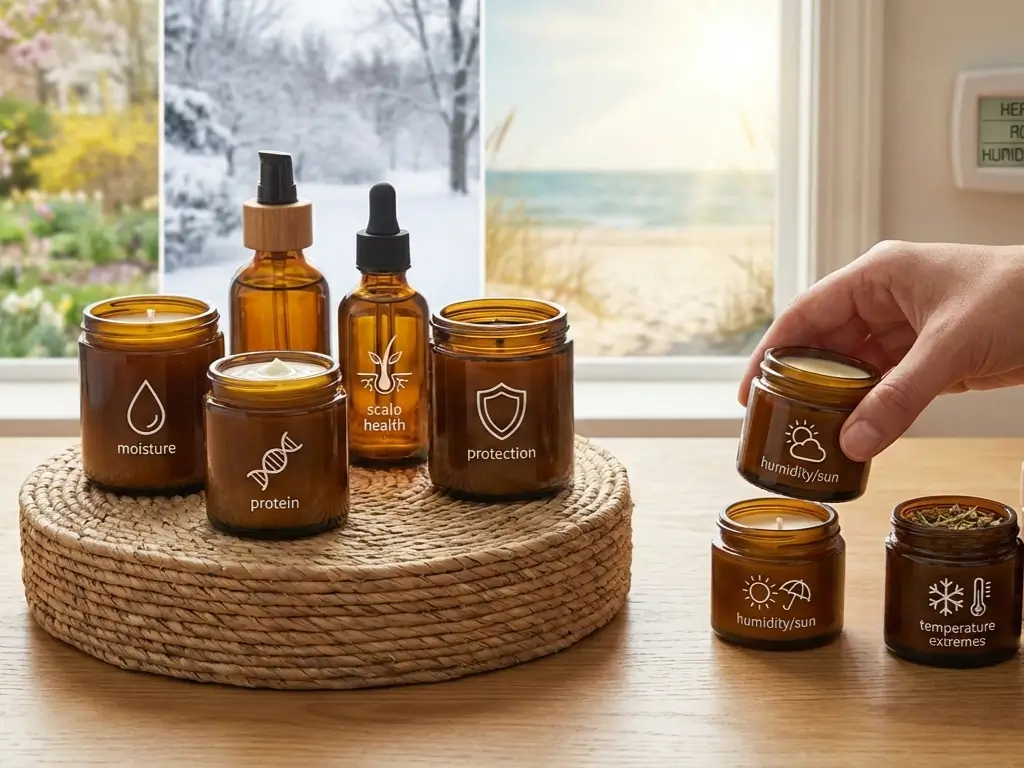
Natural hair care for all seasons requires 4 core essentials (moisture, protein balance, scalp health, protection) that stay consistent, plus strategic seasonal adaptations for humidity changes, temperature extremes, and indoor climate control, typically just your moisture level, styling approach, and protective methods.
Here’s what most seasonal hair care advice gets wrong: it treats winter, spring, summer, and fall like they’re equally different from each other. In reality, your hair responds to environmental factors like humidity, temperature swings, and indoor climate, not to what month it is. A humid summer day in Florida requires totally different care than a dry summer day in Arizona.
I’ve spent years working with people who felt like hair care failures because they couldn’t keep up with constantly changing routines. What I’ve noticed? The ones with the healthiest hair weren’t following complicated seasonal protocols. They had strong foundations and made small, intentional adjustments based on what their hair actually needed.
Why Your Hair Reacts to Seasons (But Not How You Think)
Hair doesn’t react to seasons themselves but to environmental factors that often correlate with seasons: humidity levels, temperature extremes, indoor heating/cooling, and UV exposure. Understanding these specific triggers matters more than following a calendar-based routine.
Your hair shaft doesn’t have a calendar. It can’t tell when summer officially starts.
What it does respond to? The fact that you just cranked your thermostat to 72°F while it’s 15°F outside, creating a 57-degree differential that strips moisture from everything in your home, including your hair. Or that you’re moving between air-conditioned buildings and 95°F humidity ten times a day, causing your hair cuticle to swell and contract repeatedly.
Indoor climate control affects your hair more than outdoor weather.
Think about it. You spend maybe 30 minutes outside during your commute, but 23.5 hours indoors or in climate-controlled spaces. That heated air in winter? It drops indoor humidity to around 10-20%, which is drier than most deserts. Your summer AC does the same thing. Meanwhile, your natural hair is trying to maintain moisture balance in an environment that’s constantly pulling water out of it.
Here’s what actually stresses natural hair across seasons:
- Humidity fluctuations – High humidity causes cuticle swelling and frizz; low humidity increases breakage
- Temperature extremes – Especially the differential between indoor and outdoor
- Reduced sebum distribution – Cold weather slows your scalp’s natural oil production
- UV exposure changes – More direct sun in summer, but also unexpected winter reflection off snow
- Styling friction – Winter hats, summer chlorine, fall wind tangles
The transition periods, when you first turn on heat or AC, are actually harder on hair than the season itself. Your hair hasn’t adapted yet, and the environmental change is sudden.
When I work on my natural hair care treatments, I tell people to track their indoor environment, not just the weather app. Get a cheap hygrometer. If your indoor humidity drops below 30%, that’s your signal to adjust, regardless of what month it is.
The Core Four: Year-Round Natural Hair Essentials
Four elements form the foundation of year-round natural hair care: consistent moisture (water-based hydration plus oils), protein-moisture balance, scalp health maintenance, and protective practices. These don’t change seasonally; they’re the constants in your routine.
Here’s my framework: Core + Adapt. Your core stays the same all year. Only your adaptations change.
Deep Moisture System
This isn’t about products, it’s about process. Your hair needs water (actual H2O) and something to seal it in. Every season. Every climate.
Your deep moisture system includes:
- Weekly deep conditioning (minimum)
- Daily or every-other-day water-based refreshing
- Sealing method appropriate for your hair porosity
I don’t care if it’s summer and your hair “feels” fine. Moisture is maintenance, not rescue. The people who skip deep conditioning in humid months are the same ones dealing with hygral fatigue (when hair swells and contracts too much from inconsistent moisture).
For guidance on which oils work for your specific hair type, check out this botanical oil hair type guide.
Protein-Moisture Balance
Natural hair is about 90% protein (keratin). Environmental stress, which happens in all seasons, breaks these protein bonds. You need regular, light protein treatments to maintain structure.
What this looks like practically:
- Light protein treatment every 2-4 weeks (more often for high-porosity hair)
- Attention to how your hair feels: mushy = needs protein, brittle = needs moisture
- Immediate moisture follow-up after protein
This doesn’t change with seasons. Hair structure doesn’t suddenly need less protein in spring. What might change? How often you need it, based on how much environmental stress you’re experiencing.
Scalp Health Foundation
Your scalp produces sebum, your hair’s natural moisturizer and protectant. Most seasonal hair problems start with neglected scalps.
Non-negotiable scalp practices:
- Regular cleansing (frequency based on your scalp, not the season)
- Gentle exfoliation or clarifying monthly
- Scalp massage to stimulate circulation
- Protection from temperature extremes
Understanding your scalp microbiome balance helps you maintain these practices effectively across all conditions. A healthy scalp adapts better to environmental changes than a compromised one.
Protective Intention
This isn’t about protective styles specifically. It’s about approaching your hair with protection in mind, always.
That means:
- Minimizing manipulation
- Sleeping on silk or satin year-round
- Handling hair gently when wet
- Protecting ends (they’re the oldest, most vulnerable part)
People think protective styling is just for winter or just for summer. Actually, it’s a mindset that should inform every season. The specific style might change, but the intention doesn’t.
These four cores work together. Skip one, and the others can’t fully compensate. Master these, and seasonal transitions become minor adjustments instead of overhauls.
What to Actually Adapt by Season (Just 2-3 Things)
Seasonal adaptations focus on three variables: moisture intensity (adjusting for humidity and indoor climate), styling method (based on environmental conditions), and protective approaches (responding to specific stressors like UV, wind, or heating). Your core routine stays intact.
This is where it gets practical. You’re not changing everything, you’re making strategic tweaks.
Moisture Intensity
Winter and heated indoor environments:
- Heavier sealants (butters instead of light oils)
- More frequent deep conditioning (weekly minimum, sometimes twice)
- Humidifier in your main living space
- Greenhouse effect treatments (deep condition under a processing cap)
The botanical butters guide shows you which butters provide the best seal in dry conditions without causing buildup.
Summer and humid environments:
- Lighter leave-ins that won’t cause hygral fatigue
- Humectants used cautiously (they pull moisture from hair in low-dew point conditions)
- More frequent cleansing if you’re sweating
- Anti-humectant products if you’re dealing with serious frizz
The transition seasons (spring/fall):
- Watch your indoor environment more than the weather
- Adjust based on when you turn on heating or AC
- Layer products thoughtfully, light base, slightly heavier seal
Styling Approach
Cold weather considerations:
- Low-manipulation styles that last longer (you don’t want wet hair in freezing temps)
- Tucking ends away from dry air exposure
- Avoiding water-based refreshers right before going outside (ice crystals = breakage)
- Strategic use of hats with satin linings
Hot weather adjustments:
- Styles that allow scalp breathing
- Updos or pulled-back looks to minimize sweat-induced matting
- Chlorine/salt water protective measures (pre-soak hair with clean water and conditioner)
- UV protection sprays or physical coverage
I’ve learned that sulfate-free shampoo approaches become especially important in summer when you’re cleansing more frequently. You can’t strip your hair every time you rinse off sweat.
Targeted Protection
Each season brings specific stressors:
Winter stressors: indoor heating, cold wind, static, hat friction
- Pre-poo treatments before washing
- Anti-static products (small amounts of oil on hands, smoothed over style)
- Satin-lined accessories
- Extra attention to ends
Summer stressors: UV damage, chlorine, salt water, increased humidity
- UV-protectant products with natural ingredients
- Swim protection routine (rinse, condition, cap or protective style)
- Antioxidants to combat sun damage (vitamin E, green tea rinses)
Learning about weather environment skincare principles applies to hair too, your hair is essentially non-living tissue that can’t repair itself, so prevention matters more than correction.
Spring/fall stressors: unpredictable weather, frequent temperature changes
- Layered approach (you might need heavier products in morning, lighter by afternoon)
- Styles that tolerate weather changes
- Portable refresh kit for major environmental shifts
Notice what’s not on this list? Completely different product lines. Entirely new routines. Total overhauls every three months.
You’re using the same deep conditioner year-round. You’re just maybe applying it more often in winter. Same oils, possibly layered differently. Same protective mindset, applied to different stressors.
Navigating Seasonal Transitions (The Hardest Part)
Seasonal transitions, particularly when indoor climate control starts or stops, stress hair more than stable seasons. Navigate transitions by adjusting gradually, clarifying to reset your hair, and reading your hair’s response rather than following a calendar schedule.
Here’s what I got wrong for years: I’d wait until my hair was already damaged to make seasonal adjustments.
The transition from heated indoor air to spring humidity? That’s when you see the most breakage, if you’re not proactive. Your hair has adapted to one environment, and you’re suddenly throwing it into another.
The Transition Protocol:
- Clarify at the transition point – Strip away the previous season’s buildup so you’re starting clean. Use a gentle, sulfate-free clarifying treatment.
- Deep condition immediately after – Get your hair to a neutral, well-conditioned state before introducing new approaches.
- Adjust gradually – Don’t switch from heavy butter to light oil overnight. Transition over 2-3 weeks, blending products or alternating approaches.
- Watch your hair, not the calendar – Some years, winter hits hard in October. Some years, you’re not running heat until December. Your hair will tell you when it needs different care.
When working with humectants for hydration, timing matters enormously. Glycerin is your friend in summer humidity but your enemy in dry winter air. The transition is when you phase it in or out.
Transition Red Flags:
Your hair is telling you it needs adjustment when you notice:
- Unusual breakage or shedding
- Texture feeling different (rough, gummy, limp)
- Styles not holding like they used to
- Scalp issues (dryness, itching, excess oil)
- Products that normally work suddenly don’t
Don’t wait for major damage. These subtle signals mean it’s time to tweak your adaptation, even if you “just” changed things.
The fall transition is particularly tricky because you’re often dealing with residual summer sun damage while preparing for winter dryness. This is when I see people over-correct, going too heavy too fast, causing buildup that then prevents moisture penetration.
What surprised me most about transitions? Indoor climate matters more than outdoor weather. The day you turn on the heat is more significant than the first day of winter. Track your environment changes, and you’ll time your adaptations perfectly.
Common Seasonal Hair Mistakes to Avoid
The biggest seasonal hair care mistakes include changing routines too drastically, neglecting indoor environment factors, over-correcting based on one bad hair day, and buying into product marketing that claims you need seasonal-specific lines. Consistency with strategic adjustments outperforms constant routine overhauls.
Let me save you some frustration by highlighting what doesn’t work.
Complete Routine Overhauls
I see this every January and July. Someone decides their entire routine needs replacement because the season changed.
What actually happens? Your hair gets stressed from the sudden change in products, you can’t tell what’s working, and you’ve wasted money on products that might’ve been fine with minor adjustments.
Better approach: Change one thing at a time. Wait two weeks. Assess. Then adjust something else if needed.
Ignoring Your Actual Environment
You read that winter means dry hair, so you pile on heavy products. Meanwhile, you live in Seattle where winter means constant humidity and rain.
Your environment, both indoor and outdoor, matters more than generic seasonal advice. A winter day in Arizona looks nothing like winter in Maine. Tailor your approach to your reality, not to what hair articles say “winter hair care” means.
This connects to understanding your organic skincare routine for different climates, the same principles apply to hair. Your specific location and lifestyle matter more than general season categories.
Product Hoarding Based on Marketing
The beauty industry loves seasonal product launches. Summer “beach hair” lines. Winter “intensive moisture” collections. Spring “renewal” treatments.
Here’s the uncomfortable truth: most of these are marketing. You don’t need seasonal-specific products. You need quality products used appropriately for current conditions.
Instead of buying new everything, learn to layer and combine what you have. Mix a heavy butter with a lighter oil to create medium weight. Use your summer leave-in more frequently in winter. Apply your winter deep conditioner for longer in summer to combat UV damage.
Neglecting Scalp Seasonally
People get so focused on hair length that they forget scalp health changes with environment too.
Winter dry scalp needs different care than summer oily scalp. But both need attention. Skipping scalp care because you’re focused on moisture for your ends? That’s how you end up with buildup, inflammation, or even temporary hair loss from stressed follicles.
For natural approaches to scalp issues across seasons, natural dandruff and scalp psoriasis treatments offer solutions that work year-round with seasonal intensity adjustments.
Forgetting That Protection Includes What You Don’t Do
Seasonal hair care isn’t just about what you add. It’s also about what you avoid.
Summer: excess heat styling when your hair’s already stressed from sun
Winter: washing too frequently because you think you need more moisture (you actually need less water, more sealing)
Transitions: trying new techniques when your hair is already adapting to environmental changes
Sometimes the best seasonal adjustment is doing less, not more.
The people who maintain healthy natural hair year-round aren’t following complicated protocols. They’ve mastered the basics, they pay attention to their specific environment, and they make small adjustments before problems develop.
That’s the real secret to natural hair care across all seasons: thoughtful consistency beats constant change every single time.
Bottom Line
Your hair doesn’t need a complete makeover four times a year. It needs you to understand the core principles, recognize environmental changes, and adapt strategically.
Master your core four essentials. Get really good at moisture, protein balance, scalp health, and protection. Then, when your environment shifts, when you turn on the heat, when humidity spikes, when you’re swimming daily, make small, intentional adjustments to those three adaptation areas.
Buy a hygrometer – Track your indoor humidity. This $10 tool will tell you more about what your hair needs than any seasonal calendar.
Assess your current core – Are you consistent with deep conditioning, protein balance, scalp care, and protection? Shore up any gaps before worrying about seasonal tweaks.
Document your current routine – Write down what you’re doing now. When you adjust for the next seasonal transition, you’ll know exactly what changed.
Natural hair care is personal care. What works for someone in Phoenix won’t match what works in Miami, even though they’re both dealing with “summer.” Trust your hair, understand your environment, and adjust based on response, not on what month it is.
For more comprehensive guidance on building routines that work with your lifestyle, explore our complete natural hair care guide, where we break down everything from ingredients to techniques for real-world application.