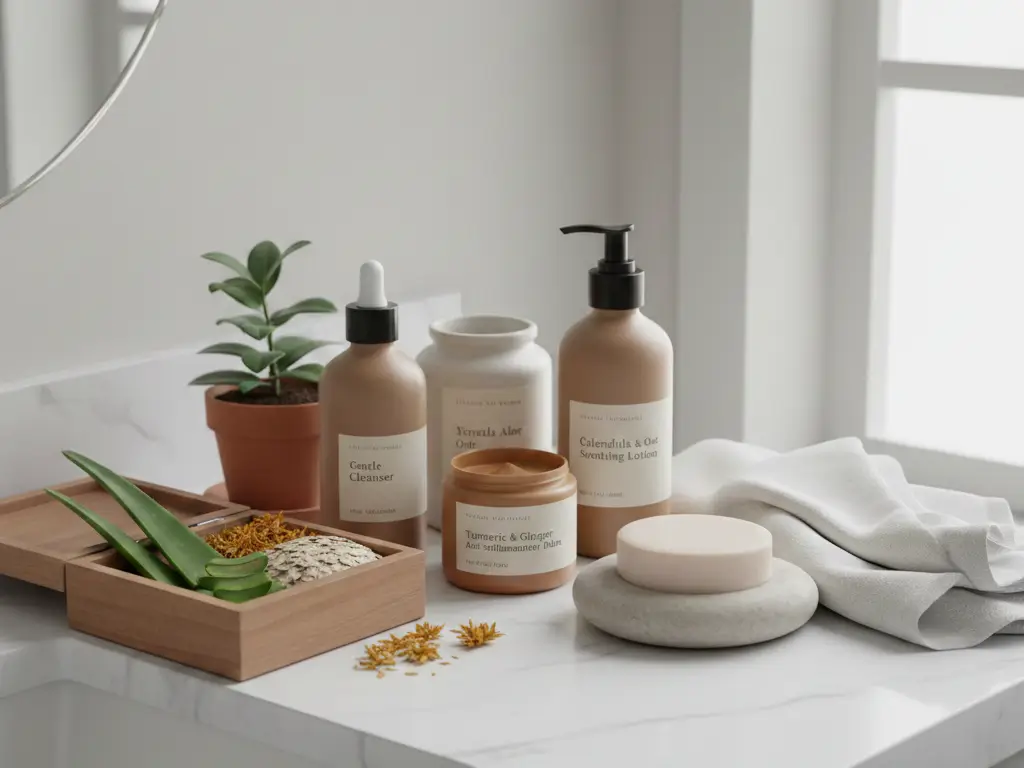
Living with hidradenitis suppurativa means your skin needs more than what most “sensitive skin” routines offer. The painful nodules, tunneling tracts, and inflammation require a thoughtful approach that honors your skin’s unique challenges while avoiding anything that might trigger a flare.
Here’s what matters most: natural skincare can serve as supportive care alongside your medical treatment, but it works best as a complement, never a replacement, for professional dermatological guidance.
This article provides educational information about supportive skincare approaches for hidradenitis suppurativa. It is not intended to diagnose, treat, cure, or prevent HS or any medical condition. Always consult a licensed dermatologist or healthcare professional before making changes to your skincare routine, starting new products, or altering existing treatment regimens. Individual responses vary significantly with HS. If you experience worsening symptoms, signs of infection, or new flares, seek professional medical advice promptly.
This guide is for people with diagnosed hidradenitis suppurativa who want to explore gentle, natural skincare options as part of their overall care plan. This is not a treatment guide. If you haven’t been diagnosed or are experiencing new symptoms, please see a dermatologist first.
This educational content is based on peer-reviewed dermatological research and guidance from authoritative medical institutions. The author is not a medical professional; readers are encouraged to discuss any new skincare approaches with their dermatology team.
Understanding Hidradenitis Suppurativa and Your Skin’s Needs
Hidradenitis suppurativa is a chronic inflammatory skin condition affecting hair follicles in areas like the armpits, groin, and under the breasts. The skin in these areas needs exceptionally gentle care that minimizes irritation while supporting the skin’s natural protective barrier.
Hidradenitis suppurativa (HS) is more than just acne or ingrown hairs. According to the American Academy of Dermatology, HS is a chronic inflammatory condition that causes painful lumps, abscesses, and over time, tunneling tracts under the skin. It typically develops in areas where skin rubs together, the underarms, groin, buttocks, and beneath the breasts.
What makes HS unique is the involvement of the hair follicles and the immune system’s inflammatory response. Research published in the Journal of the American Academy of Dermatology has shown that people with HS often have altered skin microbiome composition and elevated inflammatory markers in affected areas.
This is why your skincare approach matters so much. The wrong products can:
- Irritate already inflamed tissue
- Disrupt the skin’s protective barrier
- Potentially contribute to bacterial imbalance
- Trigger or worsen flares
Your dermatologist handles the medical management, the antibiotics, biologics, or surgical interventions when needed. But supportive skincare creates a gentle daily environment that may help your skin feel more comfortable between treatments. Think of it as creating the kindest possible conditions for vulnerable skin.
Many people with HS find that understanding their skin barrier’s needs helps them make better product choices. A compromised barrier is more susceptible to irritation, so protection becomes a priority.
Building a Gentle Cleansing Routine for HS-Affected Skin
Gentle, fragrance-free cleansing with lukewarm water is foundational for HS-affected skin. Harsh soaps and scrubbing can worsen inflammation, while antimicrobial washes containing ingredients like zinc pyrithione or chlorhexidine may help some people when recommended by their dermatologist.
The cleansing step is where many people with HS accidentally make things worse. It’s tempting to scrub affected areas vigorously, thinking you’re preventing breakouts. But HS lesions aren’t caused by poor hygiene, and aggressive cleansing damages the skin barrier.
The Cleveland Clinic recommends people with HS use gentle, fragrance-free cleansers and avoid scrubbing affected areas. Lukewarm water is less irritating than hot water, which can increase inflammation.
What to look for in cleansers:
| Feature | Why It Matters for HS |
| Fragrance-free | Fragrances are common irritants that can trigger inflammation |
| Sulfate-free | Harsh sulfates strip natural oils, weakening the barrier |
| Non-comedogenic | Reduces risk of clogging hair follicles |
| pH-balanced | Supports the skin’s natural acid mantle |
Some dermatologists recommend antiseptic washes containing zinc pyrithione or chlorhexidine for HS patients. However, these should be used under medical guidance, they’re not appropriate for everyone, and overuse can disrupt the skin’s microbiome.
For those exploring the oil cleansing method, proceed with caution. While oil cleansing works beautifully for some skin types, HS-affected skin may not tolerate occlusive products well, especially in friction-prone areas. If you want to try it, discuss it with your dermatologist first and patch test carefully.
The emerging research on the skin microbiome suggests that preserving bacterial diversity may matter for inflammatory conditions like HS. This is another reason to avoid overly harsh or antiseptic products unless specifically recommended by your doctor.
Natural Ingredients That May Support HS-Affected Skin
Some natural ingredients show anti-inflammatory or antimicrobial properties in research, including tea tree oil (diluted), turmeric, zinc, and colloidal oatmeal. These may offer supportive benefits for some people with HS, but individual responses vary significantly, and none should replace medical treatment.
When we talk about natural ingredients for HS, we’re talking about potential supportive care, ingredients that may help soothe, protect, or calm affected skin. This is not about curing or treating the underlying condition.
Research offers some promising signals, though studies specifically on HS remain limited:
Tea Tree Oil (Diluted)
Tea tree oil has demonstrated antimicrobial and anti-inflammatory properties in dermatological research. A study in the Clinical Microbiology Reviews found it effective against various skin pathogens. However, it must be properly diluted (typically 5% or less) and patch tested, as it can cause contact dermatitis in some people.
Turmeric (Curcumin)
The anti-inflammatory properties of curcumin, the active compound in turmeric, have been studied extensively. Some preliminary research suggests potential benefits for inflammatory skin conditions, though direct studies on HS are limited. Topical turmeric can stain skin and fabrics.
Zinc
Zinc appears in both oral supplements and topical formulations for inflammatory skin conditions. Some dermatologists recommend zinc-based products for HS patients, and small studies have shown potential benefits. The niacinamide clean beauty guide discusses how zinc and niacinamide often work together in formulations.
Colloidal Oatmeal
FDA-recognized as a skin protectant, colloidal oatmeal may help soothe irritated skin and support barrier function. It’s generally well-tolerated and appears in many gentle formulations.
Aloe Vera
Traditional use supports aloe vera for wound healing and soothing irritated skin. Some research confirms anti-inflammatory activity, though studies specific to HS are lacking.
Important Safety Considerations:
- Always patch test new products on unaffected skin for 24-48 hours
- Never apply essential oils undiluted or to open lesions
- Stop using any product that causes burning, increased redness, or irritation
- Avoid applying anything to draining lesions without medical guidance
- Discuss new products with your dermatologist before trying them
Exploring botanical extracts matched to skin concerns can help you understand which ingredients might align with your needs, but always within the framework of your medical care.
What to Avoid in Your Skincare When You Have HS
People with HS should generally avoid fragrances, harsh scrubs, comedogenic oils in friction areas, tight clothing that traps products against skin, and any ingredients that personally trigger flares. Keeping a product diary can help identify individual sensitivities.
Knowing what to eliminate matters as much as knowing what to add. For HS-affected skin, certain common skincare ingredients and practices can spell trouble.
Ingredients to approach with caution:
- Synthetic fragrances: Major irritation triggers; even “natural” fragrance can be problematic
- Denatured alcohol: Can dry and irritate compromised skin
- Heavy exfoliants: Physical scrubs damage inflamed tissue; even chemical exfoliants need careful consideration
- Comedogenic oils in affected areas: Some oils may clog follicles (though this varies individually)
Practices to reconsider:
- Shaving affected areas without guidance: Your dermatologist can advise on hair removal options
- Wearing tight synthetic fabrics: Trap sweat, products, and friction against sensitive skin
- Applying products to draining or open lesions: Increases infection risk
- Layering too many products: Simplicity often works better for reactive skin
The clean beauty for sensitive, acne-prone skin guide offers additional insights, though HS isn’t the same as acne, it requires even more caution.
Some people find that tracking products and flares helps identify personal triggers. What irritates one person with HS may be fine for another. Your skin’s responses are the most important data you have.
A Sample Daily Natural Skincare Routine for HS
A minimal, gentle routine typically includes fragrance-free cleansing, optional soothing application, and moisture protection. Less is often more with HS, start simple and add products slowly with dermatologist guidance.
This sample routine offers a starting point. Adjust based on your dermatologist’s recommendations and your skin’s individual responses.
Morning Routine:
- Gentle cleanse with lukewarm water and a fragrance-free, sulfate-free cleanser
- Pat dry (never rub) with a clean, soft towel
- Optional soothing application (e.g., aloe vera gel or a product recommended by your dermatologist)
- Allow to air dry when possible before dressing
Evening Routine:
- Gentle cleanse to remove sweat, environmental residue, and bacteria
- Pat dry thoroughly, moisture trapped in folds can promote bacterial growth
- Apply any prescribed treatments as directed by your dermatologist
- Optional light moisturizer on dry areas (avoid occluding affected zones)
For those interested in minimalist skincare approaches, HS often responds well to the “less is more” philosophy. A stripped-back routine reduces the chances of irritation.
Some people with HS incorporate practices like wearing silk pillowcases to reduce friction during sleep or choosing natural humectants for dry areas away from lesions.
What about body care?
The principles extend to full-body care. A thoughtful everything shower ritual can incorporate HS-friendly practices. Focus on lukewarm water, gentle cleansing, thorough drying, and soft, breathable fabrics afterward.
When to See Your Dermatologist
Contact your dermatologist if you notice signs of infection, new or worsening lesions, increasing pain, fever, rapidly expanding redness, or if your current treatment isn’t working. Never delay medical care hoping natural remedies will resolve serious symptoms.
Natural skincare is supportive care. It doesn’t replace medical management.
When to Seek Medical Attention:
- Signs of infection: increasing redness, warmth, swelling, fever, or foul-smelling drainage
- New lesions or rapid worsening of existing ones
- Pain that interferes with daily activities or sleep
- Lesions that don’t improve with current treatment
- Any concerning changes you haven’t seen before
The Hidradenitis Suppurativa Foundation emphasizes that early, consistent medical treatment can help prevent disease progression and scarring. Delaying care to try natural alternatives first may allow the condition to advance.
Your dermatologist can also help you evaluate which natural skincare approaches might complement your treatment plan. They can recommend specific products, warn you away from potential irritants, and monitor your skin’s response.
For those exploring the gut-skin connection, this is another area to discuss with your medical team. Some research suggests dietary factors may influence HS, but changes should be made with professional guidance.
Moving Forward With Gentle Confidence
Managing hidradenitis suppurativa asks a lot of you, dealing with physical discomfort, navigating medical treatments, and figuring out daily care. Natural skincare offers a gentle path for supporting your skin between treatments, not a cure or a replacement for medical expertise.
The most important takeaway: your dermatologist and your natural skincare routine work together. One provides medical intervention; the other provides daily kindness to vulnerable skin.
- Review your current products for fragrance, sulfates, and known irritants. Remove anything questionable and simplify your routine.
- If you want to try a new natural ingredient, patch test it on unaffected skin and introduce only one product at a time. Keep notes on your skin’s response.
- Schedule a conversation with your dermatologist about your skincare approach. Ask what they recommend and what they’d caution against for your specific case.
Your skin deserves gentleness, and you deserve care that respects both your condition and your desire for more natural options. For more evidence-based natural skincare guidance, explore resources at Beauty Healing Organic, always keeping your medical team in the conversation.
SOURCES CITED
- American Academy of Dermatology. (2024). Hidradenitis Suppurativa: Overview. https://www.aad.org/public/diseases/a-z/hidradenitis-suppurativa-overview
- Cleveland Clinic. (2024). Hidradenitis Suppurativa. https://my.clevelandclinic.org/health/diseases/17716-hidradenitis-suppurativa
- Hidradenitis Suppurativa Foundation. (2024). About HS. https://www.hs-foundation.org
- Zouboulis, C.C., et al. (2020). Hidradenitis Suppurativa/Acne Inversa: A Practical Framework for Treatment Optimization. Journal of the American Academy of Dermatology, 83(6), 1-14.
- Ring, H.C., et al. (2017). The Follicular Skin Microbiome in Patients With Hidradenitis Suppurativa and Healthy Controls. JAMA Dermatology, 153(9), 897-905.
- Carson, C.F., Hammer, K.A., & Riley, T.V. (2006). Melaleuca alternifolia (Tea Tree) Oil: A Review of Antimicrobial and Other Medicinal Properties. Clinical Microbiology Reviews, 19(1), 50-62.
- U.S. Food and Drug Administration. (2003). Skin Protectant Drug Products for Over-the-Counter Human Use: Final Monograph (Colloidal Oatmeal). Federal Register.
- Agak, G.W., et al. (2021). Microbiome and Hidradenitis Suppurativa. Experimental Dermatology, 30(10), 1400-1410.